Did you know that Traditional Chinese Medicine (TCM) not only addresses the symptoms of seasonal allergies but also delves into the underlying energy imbalances in our bodies? Understanding this holistic perspective can empower you to manage your allergies more effectively. Let’s explore the key insights that TCM offers for maintaining harmony with nature and supporting your health.
What You Will Learn
- Allergies are seen as signs of energy imbalances in TCM, particularly linked to the Wei Qi and Lung Qi systems.
- Strengthening Wei Qi is essential for enhancing your body's defenses against seasonal allergens like pollen.
- TCM emphasizes the importance of adapting your lifestyle to seasonal changes to maintain internal balance.
- Recognizing symptoms of allergies as signals from your body can help you address underlying issues effectively.
- Practicing deep breathing, consuming warming foods, and engaging in gentle exercises can bolster lung health.
- Understanding the concepts of Wind and Dampness can provide insight into managing allergy symptoms.
- Proactive measures, such as starting herbal remedies and acupuncture 4-6 weeks before allergy season, can prevent symptoms from arising.
- Integrating TCM with conventional treatments can enhance your overall health and resilience against allergens.
Understanding TCM Perspectives on Seasonal Allergies
Explore the core concepts of Traditional Chinese Medicine (TCM) that explain seasonal allergies, focusing on energy balance and strategies for effective management.
Wind Invasion
Wind invasion is a key concept in TCM, emphasizing the need to strengthen Wei Qi and Lung Qi to protect against allergens.
Dampness and Internal Imbalances
Excess dampness in the body can exacerbate allergy symptoms. TCM focuses on balancing these internal energies for effective management.
Strategies for Strengthening Wei Qi
Incorporate warming foods, practice deep breathing, and engage in gentle exercises like Tai Chi to enhance your protective energy.
Yin and Yang Balance
Achieving harmony between Yin and Yang is crucial for health. Monitoring these energies can help reduce allergy symptoms.
Understanding TCM Perspectives on Seasonal Allergies
As the seasons change, many of us face the challenge of seasonal allergies. Have you ever wondered how Traditional Chinese Medicine (TCM) views these pesky reactions? TCM offers unique insights that not only explain why we suffer from allergies but also provide effective strategies for managing them. Together, we will explore the fascinating connection between our body’s energy and the environment around us.
Understanding TCM perspectives on seasonal allergies begins with recognizing that our bodies are intricately linked to nature. In TCM, allergies are often viewed as a manifestation of imbalances in our energy systems, particularly involving the lungs and defensive energy, or Wei Qi. By appreciating this holistic view, we can develop a more profound understanding of how to deal with allergies effectively. To learn more about these foundational concepts, explore the basics of Traditional Chinese Medicine.
The TCM Concept of Seasonal Allergies
In TCM, seasonal allergies are not merely seen as physical reactions; they are viewed through the lens of energy imbalances. Allergies can indicate disruptions in our Wei Qi, the protective energy that safeguards us against external invaders such as pollen. Have you noticed how your body responds differently in various seasons? This is your Wei Qi at play, working hard to maintain harmony amidst changing environmental factors.
At the heart of TCM is the idea that these allergies can arise from what we call "Wind Invasion." This concept suggests that when our bodies are exposed to conditions like wind or sudden climate changes, it may lead to allergies. Understanding this allows us to take steps to bolster our defenses and maintain balance.
- Recognize symptoms as signs of imbalance.
- Strengthen Wei Qi to enhance protection.
- Honor the seasonal shifts and adapt your lifestyle accordingly.
Defining Allergies through Traditional Chinese Medicine
Allergies, in the realm of TCM, are defined as disruptions in the body’s natural harmony. They occur when the body's defense system is challenged by external elements—like dust or pollen—resulting in symptoms such as sneezing and congestion. In TCM, these symptoms are signals that our body needs support to regain balance.
By understanding the TCM perspective, we can appreciate that allergies often arise when our body’s energies are out of sync. For instance, the lungs may be particularly vulnerable, signaling that we need to nourish and support them during allergy season. Have you ever thought about what your body might be telling you during these times?
Wind Invasion and Underlying Deficiencies: Wei Qi, Lung Qi, and More
Wind invasion is a prominent concept in TCM, suggesting that when wind enters the body, it can disrupt our natural balance. This disruption can weaken our Wei Qi and Lung Qi, making us more susceptible to allergens. This is why strengthening these energies is crucial, especially as seasons change. For more on how to support your body's natural rhythms, check out our guide on seasonal wellness through Chinese Medicine.
To combat these invasions, TCM emphasizes the importance of addressing underlying deficiencies. Are you feeling tired or run-down? These signs may indicate that your defensive energy needs bolstering. Strengthening your body’s energy can help you better face seasonal challenges! Here are some methods:
- Incorporate warming foods into your diet.
- Practice deep breathing to nourish the lungs.
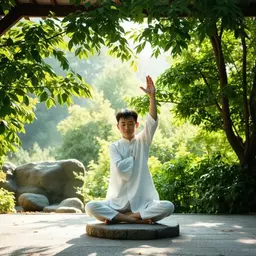
- Engage in gentle exercises like Tai Chi or Qigong.
Insights into TCM Allergy Mechanisms
Let’s delve deeper into how TCM explains the mechanisms behind seasonal allergies. One of the key principles here is understanding how allergic rhinitis manifests and affects our daily lives. TCM recognizes that allergies are more than just physical symptoms; they reflect deeper internal imbalances in our body.
One major concept in TCM is the idea of Dampness. When our bodies are out of balance, it can lead to excess dampness, which may exacerbate allergy symptoms like a runny nose and fatigue. By exploring these mechanisms, we can find targeted remedies that address the root causes rather than just the symptoms.
How TCM Explains Allergic Rhinitis and Its Symptoms
Allergic rhinitis, commonly known as hay fever, is characterized by symptoms like sneezing, nasal congestion, and itchy eyes. In TCM, these symptoms are often linked to both Wind and Dampness interfering with Lung Qi. When the body is overwhelmed by these elements, it struggles to maintain balance, leading to uncomfortable reactions.
Understanding this connection allows us to tailor our approach to allergy management. For example, incorporating herbs that support lung health can be a great starting point. Have you thought about how your diet affects your allergy symptoms?
Internal Imbalances: Dampness and Defensive Energy
Internal imbalances are at the core of TCM's approach to allergies. One of the most common imbalances is Dampness, which can accumulate in the body and lead to various symptoms, including those associated with allergies. It’s essential to recognize these signs early on to address them effectively!
In addition to Dampness, we must consider our Defensive Energy, or Wei Qi. This energy is crucial for protecting us against external allergens. When it’s weak, we may find ourselves more susceptible to seasonal discomfort. Here are a few strategies to strengthen these internal systems:
- Consume foods that support digestion and reduce dampness.
- Stay hydrated to help flush out excess moisture.
- Engage in activities that promote lung health.
Yin and Yang Balance in Allergy Management
Finally, let’s explore the balance of Yin and Yang in managing allergies. In TCM, achieving harmony between these two forces is vital for overall health. When one is in excess or deficient, it can lead to various health issues, including allergies.
To maintain this balance, it’s essential to listen to your body. Are you experiencing too much heat or cold? Are you feeling sluggish or overactive? By tuning into these signals, we can create a more harmonious internal environment and reduce allergy symptoms.
- Adjust your lifestyle practices based on seasonal changes.
- Incorporate cooling or warming foods as needed.
- Practice mindfulness to help maintain emotional balance.
Pro Tip
Did you know? Strengthening your Wei Qi can be as simple as incorporating specific foods into your diet. Foods such as ginger, garlic, and warming soups can help boost your defensive energy and enhance your body's ability to fend off allergens. Additionally, practicing deep breathing exercises can nourish your lungs and support overall respiratory health, especially during allergy season.
Frequently Asked Questions about TCM and Seasonal Allergies
Here are some common questions to further clarify the role of Traditional Chinese Medicine in managing seasonal allergies.
- What is the main difference between TCM and Western medicine in treating allergies?
- Western medicine typically focuses on suppressing allergy symptoms with antihistamines and decongestants. TCM, conversely, aims to address the root cause by rebalancing the body's internal energy systems (like Wei Qi and Lung Qi) to strengthen its natural defenses against allergens.
- How does TCM define "Wind Invasion" in relation to allergies?
- In TCM, "Wind Invasion" refers to external pathogenic factors, often associated with sudden weather changes or exposure to environmental elements like pollen, that can disrupt the body's protective Wei Qi and lead to allergy symptoms like sneezing and nasal congestion.
- What role does Dampness play in seasonal allergies according to TCM?
- Dampness in TCM is an internal imbalance that can exacerbate allergy symptoms. It's often associated with a runny nose, phlegm, and a feeling of heaviness or fatigue. TCM aims to eliminate excess dampness through diet and herbal remedies to reduce these symptoms.
- When is the best time to start TCM treatments for seasonal allergies?
- TCM emphasizes a proactive approach. It is generally recommended to begin treatments, such as herbal remedies and acupuncture, 4-6 weeks before the expected onset of allergy season to build up the body's defenses and prevent symptoms from arising.
- Can acupuncture help with allergy relief?
- Yes, acupuncture is a key component of TCM. Specific acupuncture points can help relieve allergy symptoms by strengthening Wei Qi, clearing nasal passages, reducing inflammation, and balancing the body's overall energy.
- Are there specific dietary recommendations in TCM for managing allergies?
- TCM dietetics suggest incorporating warming foods like ginger and garlic to boost Wei Qi and consuming foods that reduce dampness, such as cooked vegetables and whole grains. Avoiding cold, raw, or excessively sugary foods can also be beneficial during allergy season.
Addressing Common Questions about TCM and Seasonal Allergies
As we dive deeper into the world of Traditional Chinese Medicine (TCM), it's vital to address some common questions regarding its approach to seasonal allergies. Many people wonder how TCM can effectively prevent and manage hay fever. The essence of TCM lies in understanding the body's energy balance and how it interacts with the environment around us. This perspective offers a unique framework for addressing allergies, focusing not just on symptoms but also on the root causes that may trigger these responses.
One of the key elements of TCM is its emphasis on strengthening the body's defenses. By nurturing the Wei Qi (defensive energy) and enhancing the Lung Qi, we can build our resilience against allergens. This proactive approach helps individuals feel more balanced and prepared for allergy seasons. Have you considered how strengthening your Wei Qi could make a difference in your overall health?
- Understanding the role of Wei Qi in allergy prevention.
- Strengthening Lung Qi through herbal remedies.
- Utilizing acupuncture to support your body during allergy seasons.
How Does TCM Prevent Hay Fever Effectively?
TCM's effectiveness in preventing hay fever revolves around its holistic approach to health. Rather than simply treating symptoms with medications, TCM seeks to enhance the body’s natural defenses. The timing of preventive measures is crucial, which is why starting 4-6 weeks before allergy season can lead to better outcomes. By harnessing the power of herbal formulas and acupuncture, individuals can create a strong foundation for their health.
Integrating practices such as dietary adjustments and regular wellness routines can also play a significant role in prevention. Have you tried incorporating warming foods into your meals as a way to support your lung health? Simple changes can lead to profound results!
- Begin preventive measures early, ideally 4-6 weeks before allergy season.
- Utilize specific herbal remedies to strengthen your defenses.
- Consider acupuncture as a supportive treatment option.
Best TCM Herbs and Acupuncture Points for Allergy Relief
When it comes to relieving seasonal allergies, certain TCM herbs and acupuncture points stand out. For instance, the formula Yu Ping Feng San is well-known for its ability to bolster the immune system and combat symptoms of allergies. Additionally, specific acupuncture points can help alleviate discomfort and improve overall health.
Here are some of the standout herbs and points to consider:
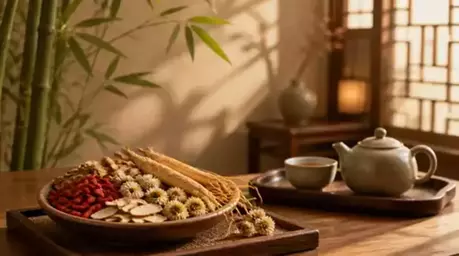
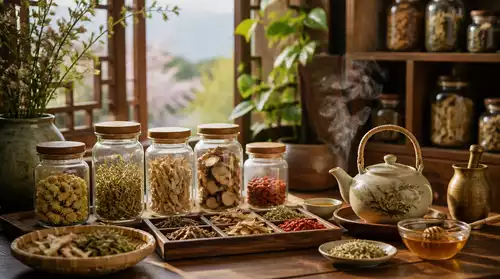
- Herbs: Astragalus, Ginger, Licorice.
- Acupuncture Points: LI4 (Hegu), LU7 (Lieque), ST36 (Zusanli).
- Combining these remedies can enhance their effectiveness.
Understanding TCM Diagnosis of Seasonal Allergies
In TCM, diagnosing seasonal allergies involves a detailed understanding of the individual's unique constitution and health history. Practitioners often assess key factors such as the condition of the Wei Qi, the balance of Yin and Yang, and the presence of any internal dampness. This comprehensive approach allows for tailored treatment plans that not only address symptoms but also strengthen overall health.
During consultations, practitioners may inquire about dietary habits, lifestyle factors, and emotional well-being. Such insights are crucial for crafting an effective strategy. Have you ever reflected on how your diet or stress levels might impact your allergies? For related insights, explore how to incorporate diet in Traditional Chinese Medicine.
Concluding Insights and Encouragement for Holistic Allergy Management
As we wrap up our exploration of TCM and seasonal allergies, it's important to remember that integrating TCM with conventional approaches can offer a comprehensive solution. This blend can lead to enhanced resilience against allergens and improve your overall quality of life.
At the Inner Balance Meridian Hub, we encourage you to adopt proactive measures for allergy relief. Whether it’s incorporating herbs, practicing acupuncture, or adjusting your diet, every small step contributes to your wellness journey. Embrace the wisdom of TCM, and let it guide you towards a more balanced and harmonious lifestyle. Discover more about tips for meridian harmony to support your overall well-being.
- Combine TCM treatments with conventional allergy medications.
- Prioritize prevention by starting your practices well before allergy season.
- Engage in regular self-care routines to support your body’s defenses.
Recap of Key Points
Here is a quick recap of the important points discussed in the article:
- Recognize seasonal allergies as imbalances in your body’s energy systems, particularly affecting Wei Qi and Lung Qi.
- Strengthen your defensive energy (Wei Qi) and support lung health through dietary choices and lifestyle practices.
- Address underlying deficiencies and consider the concept of "Wind Invasion" in TCM to better understand allergy susceptibility.
- Incorporate TCM herbs like Astragalus and practices such as acupuncture for effective allergy relief.
- Begin preventive measures early, ideally 4-6 weeks before allergy season, to enhance resilience against allergens.
- Maintain balance between Yin and Yang to support overall health and manage allergy symptoms effectively.