
As we navigate the complexities of health in our modern world, the wisdom of Traditional Chinese Medicine (TCM) offers transformative insights into achieving balance and well-being. Embracing the interconnectedness of nature through the Five Elements can empower you to enhance your physical health and emotional resilience.
What You Will Learn
- The Five Elements—Wood, Fire, Earth, Metal, and Water—are fundamental to understanding health in TCM, as they symbolize various life aspects.
- Each element corresponds to specific organs and emotions, highlighting how physical health and emotional states are intertwined.
- Recognizing the seasonal influences of these elements can help align your lifestyle and habits with nature's rhythms for better mental and physical health.
- By understanding taste associations related to each element, you can make dietary choices that support your organ health and overall wellness.
- The dynamic relationships among the Five Elements emphasize the importance of balance, guiding you to respond effectively to your health needs and emotional responses.
- Engaging with TCM practitioners can provide personalized guidance, enriching your journey towards holistic well-being through practices like acupuncture and herbal medicine.
Exploring the Five Elements in Traditional Chinese Medicine
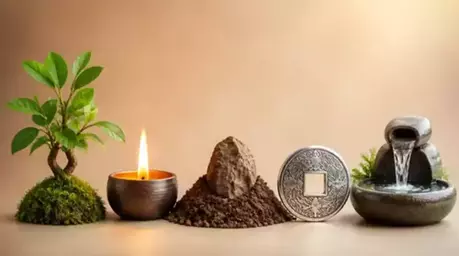
The Five Elements—Wood, Fire, Earth, Metal, and Water—are foundational concepts in TCM that interact with our health and emotions. Below is a visual representation of these elements, their associated organs, and emotional links.
Wood
- Organ: Liver and Gallbladder
- Emotion: Anger and frustration
Fire
- Organ: Heart and Small Intestine
- Emotion: Joy and excitement
Earth
- Organ: Spleen and Stomach
- Emotion: Worry and overthinking
Metal
- Organ: Lungs and Large Intestine
- Emotion: Sadness and grief
Water
- Organ: Kidneys and Bladder
- Emotion: Fear and insecurity
Comprehensive Overview of the Five Elements in Traditional Chinese Medicine
Welcome to a fascinating journey into the world of Traditional Chinese Medicine (TCM) and its intriguing concept of the Five Elements, or Wu Xing. Understanding these elements is crucial for anyone seeking to harmonize their well-being. Just like how nature flows seamlessly, the Five Elements—Wood, Fire, Earth, Metal, and Water—interconnect and influence various aspects of our health, emotions, and even our environment.
As we dive deeper into this vibrant framework, we will explore how each element not only corresponds to specific organs in our bodies but also shapes our emotional experiences and seasonal behaviors. This holistic approach reminds us that our health is an intricate tapestry woven from the threads of nature itself! To understand more about the fundamentals of this ancient practice, check out our guide on the basics of Traditional Chinese Medicine.
Defining the Five Elements: An Introduction to Wu Xing
The Five Elements are foundational concepts in TCM that explain how everything in the universe is interconnected. Each element represents a different aspect of life, and they interact in dynamic ways. This means that when one element is out of balance, it can affect the others, highlighting the importance of harmony within ourselves and our surroundings.
Understanding Wu Xing invites us to reflect on how we engage with the world. For instance, think about how a forest (Wood) thrives in the warmth of a fire or how seasons change, impacting our energy and mood. This interconnectedness is central to TCM philosophy and serves as a guide for nurturing our health.
Understanding the Core Concepts of Traditional Chinese Medicine
At the heart of TCM is the belief that our body is an extension of nature. The Five Elements serve as a lens through which we can analyze and address our health. Each element has unique characteristics that influence our physical, emotional, and spiritual well-being.
By recognizing these core concepts, we empower ourselves to make better lifestyle choices. This approach emphasizes balance, which is paramount for maintaining our health. So, I encourage you to keep an open mind as we explore the essence of these elements together!
Overview of the Five Elements: Wood, Fire, Earth, Metal, Water
- Wood: Represents growth, creativity, and flexibility.
- Fire: Symbolizes passion, joy, and transformation.
- Earth: Stands for stability, nourishment, and grounding.
- Metal: Embodies strength, clarity, and resilience.
- Water: Reflects fluidity, intuition, and calmness.
Each of these elements plays a vital role in our lives. For example, if we think of Wood, its ability to grow and adapt reminds us of our potential to evolve. On the other hand, the calming nature of Water encourages us to find peace in the chaos of daily life. By understanding these elements, we can better align our practices and habits to foster a harmonious existence.
Element Associations: Mapping Connections to Organ and Emotional Health
Exploring the connections between the Five Elements and our health opens a fascinating dialogue about how we experience life. Each element corresponds with specific organs in our bodies, which influences not only physical health but also emotional well-being. This intricate web of connections is essential for anyone looking to enhance their overall health.
As we delve into these associations, ask yourself: how do you feel when you’re surrounded by nature? Each element can offer invaluable insights into our health and emotional state, guiding us toward better choices and deeper understanding.
Organ Relationships: How Each Element Corresponds to Specific Organs
- Wood: Liver and Gallbladder
- Fire: Heart and Small Intestine
- Earth: Spleen and Stomach
- Metal: Lungs and Large Intestine
- Water: Kidneys and Bladder
Each organ has its own unique characteristics and functions. For instance, the Liver (Wood) is associated with creativity and growth, while the Heart (Fire) embodies love and joy. Understanding these relationships allows us to appreciate how our bodies react to different stimuli and how to nurture them through our lifestyle choices. For a deeper understanding of how these elements align with our daily habits, explore meridian balance through daily habits.
Emotional Links: Understanding Emotional Responses Related to Each Element
- Wood: Anger and frustration
- Fire: Joy and excitement
- Earth: Worry and overthinking
- Metal: Sadness and grief
- Water: Fear and insecurity
Have you ever felt a rush of anger or sadness and wondered why? Each element relates to specific emotional responses, which can guide us in identifying what might be out of balance in our lives. By recognizing these emotions, we can pinpoint areas that need attention, ultimately leading us to a more balanced state of being.
Seasonal Influences: The Connection Between Elements and Seasonal Changes
- Spring: Wood – A time for renewal and growth
- Summer: Fire – The peak of energy and vitality
- Late Summer: Earth – A period for nourishment and grounding
- Autumn: Metal – A time for reflection and letting go
- Winter: Water – A season for rest and rejuvenation
Each season influences how we feel and act, and understanding these elemental connections can help us align our habits with nature's rhythms. For instance, in spring, we might feel more energetic and ready to take on new projects. Recognizing these shifts allows us to embrace the flow of life!
Taste Associations: How Flavors Relate to Each Element and Their Impact on Health
- Wood: Sour – Supports the Liver
- Fire: Bitter – Benefits the Heart
- Earth: Sweet – Nourishes the Spleen
- Metal: Spicy – Aids the Lungs
- Water: Salty – Supports the Kidneys
The flavors we enjoy can have profound effects on our health. For example, incorporating sour foods can help support our liver during spring. By being mindful of what we eat, we can harmonize our diets with the elemental framework, enhancing our overall health and vitality!
Interrelationships Among the Five Elements: Understanding Cycles and Balance
As we move forward, it's important to recognize how these elements interact with one another. The relationships among the Five Elements create a dynamic balance that is essential for maintaining our health.
Understanding these cycles can empower us to make adjustments in our lives. So, keep this concept in mind as we explore how to foster harmony within ourselves and our environment!
Quick Summary
Here's a brief recap of the key points discussed so far:
- The Five Elements—Wood, Fire, Earth, Metal, and Water—are integral to understanding our health and well-being.
- Each element corresponds to specific organs and emotional states, highlighting the interconnectedness of body and mind.
- Recognizing the seasonal influences and taste associations can help us align our lifestyle choices with nature's rhythms.
Frequently Asked Questions About the Five Elements in TCM
Summarizing the Importance of Wu Xing in Holistic Health
As we embark on this journey through the wisdom of Traditional Chinese Medicine, it becomes clear just how crucial the concept of Wu Xing, or the Five Elements, is for our well-being. By understanding these elements—Wood, Fire, Earth, Metal, and Water—we gain valuable insights into our bodies and emotions. This holistic approach offers us not just a theoretical framework but also practical tools to improve our health and harmony.
The connections between the Five Elements and our organs, emotions, and the cycles of nature highlight the intricate balance necessary for optimal health. By recognizing how these elements interact, we can better understand our unique bodily needs and emotional responses. It’s fascinating to think that something as simple as the season can affect our health; it's just one of the many insights offered by TCM!
Recap of Key Concepts: Elements, Organ Connections, and Cycles
To truly appreciate the beauty of TCM, let’s recap the essential concepts: the Five Elements, their corresponding organs, and their cycles. Each element is associated with specific organs and emotions, creating a web of relationships that influence our overall health.
- Wood: Liver - Anger
- Fire: Heart - Joy
- Earth: Spleen - Worry
- Metal: Lungs - Grief
- Water: Kidneys - Fear
Recognizing these connections allows us to respond to our bodies in a nurturing way. For instance, when feeling anxious, we might explore ways to support our Earth element, helping to alleviate worries. This knowledge empowers us to take charge of our well-being!
How Understanding the Five Elements Can Enhance Personal Well-being
When we delve deeper into the wisdom of Wu Xing, we start to see how this ancient philosophy can be applied to modern life. Understanding the Five Elements equips us with the ability to make informed choices about our health, diet, and emotional well-being. For example, during the winter months, we might focus on nurturing our Water element by consuming warming foods or practicing restorative activities like yin yoga.
Moreover, this knowledge encourages us to listen to our bodies and respond to their needs. It’s about creating a dialogue with ourselves—one that allows us to recognize when something feels off and how we can bring ourselves back into balance. Have you tried tuning in to your element? It can truly transform your relationship with your health! For more insights on how to achieve emotional stability, consider exploring meridian theory for emotional balance.
The Role of Wu Xing in Achieving Balance and Health
At the heart of TCM lies the concept of balance, and Wu Xing plays a vital role in achieving this harmony. When the elements are in balance, our bodies function optimally, leading to better health and emotional resilience. This is where the interplay of yin and yang comes into play—maintaining balance between these opposing forces is essential for holistic health.
By acknowledging the relationships between the elements, we can understand how to foster balance in our lives. This might mean adjusting our diets, engaging in specific exercises, or even exploring TCM practices like acupuncture. Each of these choices can help us maintain our inner equilibrium.
Encouraging Further Exploration and Understanding of TCM
As we conclude this exploration of Wu Xing, I encourage you to dive deeper into the fascinating world of Traditional Chinese Medicine. The knowledge of the Five Elements is just the beginning, and there is so much more to learn!
- Read books or online resources about TCM principles.
- Attend workshops or seminars to engage with like-minded individuals.
- Seek out community events focused on health and wellness.
Connecting with experienced TCM practitioners can also be incredibly beneficial. They can provide personalized guidance tailored to your specific needs. At Inner Balance Meridian Hub, we are here to support your journey towards understanding TCM and how it can enhance your health. Discover more about the benefits of a key TCM practice in our article on understanding acupuncture benefits.
Engaging with Experts: Finding TCM Practitioners for Personalized Guidance
Finding a qualified TCM practitioner is an important step in your wellness journey. Look for someone who resonates with you, and don’t hesitate to ask questions! Your health is a partnership, and the right practitioner can guide you through the nuances of TCM, helping you to embrace balance and healing.
Additionally, I invite you to share your experiences with TCM! Do you have any personal stories or insights that connect with the Five Elements? Engaging in dialogue about these practices can inspire others on their path to wellness.
Exploring TCM Treatments: Acupuncture, Herbal Medicine, and More
Don’t forget to explore various TCM treatments, such as acupuncture, herbal medicine, and dietary therapy. Each modality offers unique benefits and can support your journey toward balance. Remember, every small step counts in cultivating a healthier, more fulfilling life!
As we embrace the teachings of Wu Xing, let’s keep the lines of communication open. Together, we can foster a community that values holistic health and personal growth through the rich traditions of TCM.
Recap of Key Points
Here is a quick recap of the important points discussed in the article:
- Five Elements: The foundational concepts in TCM—Wood, Fire, Earth, Metal, and Water—represent different aspects of life and health.
- Organ Connections: Each element corresponds to specific organs: Wood (Liver), Fire (Heart), Earth (Spleen), Metal (Lungs), and Water (Kidneys).
- Emotional Associations: Each element is linked to particular emotions, guiding us in recognizing imbalances: Wood (Anger), Fire (Joy), Earth (Worry), Metal (Grief), Water (Fear).
- Seasonal Influences: The seasons correspond to the elements, impacting our energy and behaviors: Spring (Wood), Summer (Fire), Late Summer (Earth), Autumn (Metal), Winter (Water).
- Taste Associations: Each element is associated with specific flavors that can enhance health, such as sour for Wood and salty for Water.
- Balance and Health: Maintaining balance among the elements is crucial for optimal health and emotional resilience.