
Curious about how ancient wisdom can enhance your modern wellness routine? Understanding the intricate relationship between Traditional Chinese Medicine and our body's energy flow can unlock pathways to better health.
What You Will Learn
- Meridians in Traditional Chinese Medicine are essential pathways that regulate the flow of energy (qi) and blood, influencing both physical and emotional health.
- The physiological basis of meridians is linked to fascia, suggesting that these pathways function similarly to hydraulic channels in directing energy flow.
- Energy flow is crucial for holistic health; disruptions can lead to stagnation, affecting vitality and well-being.
- The Chinese Meridian Clock illustrates specific two-hour windows when organs are most active, allowing individuals to optimize their daily routines accordingly.
- Aligning daily activities, such as mindful eating and evening relaxation, with the Meridian Clock can enhance energy levels and promote balance.
- Circadian rhythms play a significant role in energy dynamics, and honoring these natural cycles can lead to improved well-being.
- Modern research supports the existence of meridians, revealing their connections to physiological processes and aligning traditional practices with scientific insights.
- Integrating TCM principles, such as mindful eating and breathwork, into daily life fosters balance and overall wellness.
- Energy medicine practices, including Reiki and sound therapy, complement traditional approaches by promoting energy flow and holistic healing.
The 24-Hour Energy Flow in Traditional Chinese Medicine
Understanding how our organs operate at specific times throughout the day can optimize our health and routines.
Liver
1 AM - 3 AM
Heart
11 AM - 1 PM
Spleen
9 AM - 11 AM
Kidneys
5 PM - 7 PM
Understanding the Connection Between Meridians and Nature's Cycles
Defining Meridians in Traditional Chinese Medicine (TCM)
In Traditional Chinese Medicine, meridians are vital pathways that facilitate the flow of qi (pronounced "chee") and blood throughout the body. Imagine these meridians as rivers, transporting energy and nourishment to different organs and tissues. They play a crucial role in maintaining our overall health, and when imbalances occur, we may experience various physical and emotional ailments.
Understanding meridians allows us to appreciate how our bodies connect with the environment. As I delve deeper into TCM philosophy at the Inner Balance Meridian Hub, I’ve found that recognizing these pathways can guide us toward a more harmonious existence. For a deeper dive into these foundational concepts, explore the basics of Traditional Chinese Medicine.
The Physiological Basis of Meridians: Fascia and Hydraulic Channels
Recent scientific perspectives have shed light on the physiological basis of meridians, linking them to our body's fascia network. Fascia is a connective tissue that envelops and supports our muscles and organs, creating a continuous system throughout the body. Researchers have begun to explore how this network may affect the flow of energy, much like hydraulic channels directing water through pipes.
This connection between meridians and fascia opens exciting possibilities for understanding energy dynamics in our bodies. As we embrace these insights, we can better comprehend how TCM practices, such as acupuncture, can stimulate these pathways, encouraging balance and flow. Have you ever felt a sense of relief after a session? It's this intricate relationship between the body’s structure and energy that makes it all possible!
The Role of Energy Flow in Holistic Health
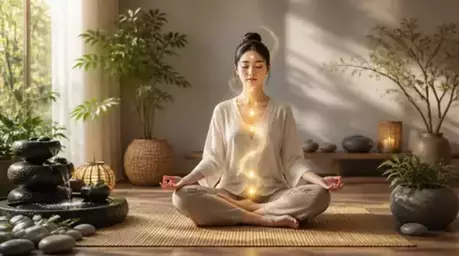
Energy flow through meridians is essential for maintaining holistic health. When our energy is balanced, we often feel more vibrant and at peace. However, disruptions in this flow can lead to stagnation or deficiencies, resulting in physical or emotional discomfort. Recognizing the importance of this flow enables us to make conscious choices for our well-being.
As I guide others at the Inner Balance Meridian Hub, I emphasize the significance of nurturing our energy pathways. Simple practices like mindful breathing, yoga, or even nature walks can enhance our energy flow. By tuning into our bodies and respecting their natural rhythms, we foster a deeper connection to our overall wellness. What practices help you feel more energized and balanced? To learn more about how daily routines can impact your energy, check out Meridian Balance Through Daily Habits.
Exploring the Chinese Meridian Clock and Daily Rhythms
The 24-Hour Energy Flow: Understanding the Meridian Clock
The concept of the Chinese Meridian Clock offers fascinating insights into how our organs operate at specific times throughout the day. Each organ is associated with a two-hour window during which its corresponding meridian is most active. Understanding this can help us optimize our daily routines and overall health.
- Liver: 1 AM - 3 AM
- Heart: 11 AM - 1 PM
- Spleen: 9 AM - 11 AM
- Kidneys: 5 PM - 7 PM
By recognizing these energy peaks, we can align our activities to promote greater health. For example, engaging in deep thinking or meditation during the liver's peak time can enhance detoxification, while enjoying nourishing meals during the spleen's active hours supports digestion. Imagine harmonizing your life with these natural rhythms!
Aligning Daily Activities with the Meridian Clock
To cultivate a lifestyle that resonates with the Meridian Clock, consider these practical tips:
- Morning Stretching: Energize your body in the early hours.
- Mindful Eating: Focus on nutritious meals during organ peak times.
- Evening Wind Down: Engage in relaxation practices before bed.
By aligning our daily activities with the peak energy times of each meridian, we can help ourselves feel more balanced and vibrant throughout the day. At the Inner Balance Meridian Hub, I often encourage individuals to experiment with these practices and observe the positive changes in their energy levels!
Circadian Rhythm and Its Relation to Meridians
The concept of circadian rhythms plays a significant role in our daily energy flow and can be closely linked to the meridian system. Circadian rhythms govern our sleep-wake cycles, influencing our energy levels and metabolic processes. When we honor these natural cycles, we experience improved well-being and vitality.
By incorporating practices that align with our circadian rhythms, we can further enhance our connection to both the meridian system and the natural world around us. For instance, ensuring quality sleep and practicing mindfulness during the day can lead to a harmonious balance in our energy flow. How do you nurture your body's natural rhythms? Let's explore these connections together!
Quick Summary
Here's a brief recap of the key points discussed so far:
- Meridians in Traditional Chinese Medicine (TCM) are pathways for qi and blood, essential for overall health.
- The physiological basis of meridians relates to the body's fascia network, influencing energy flow.
- Aligning daily activities with the Chinese Meridian Clock enhances well-being by syncing with natural energy peaks.
- Current research is bridging ancient TCM practices with modern scientific insights, validating their relevance today.
Bridging Science and Traditional Practices
As we navigate through the realms of health and wellness, one might wonder: how does ancient wisdom from Traditional Chinese Medicine align with modern scientific understandings? At the Inner Balance Meridian Hub, we believe that the connection is not just possible but vital for cultivating a comprehensive approach to health. Recent studies are beginning to unveil the intricate workings of meridians, highlighting their importance not only in TCM but also in contemporary health discussions.
One exciting area of research relates to how meridians might correspond to the body’s fascial network. This connective tissue system supports our organs and muscles, acting like the highways through which energy, or qi, flows. By acknowledging this connection, we can foster a deeper understanding of how to maintain balance in our bodies, allowing us to be more aligned with our natural rhythms.
Evidence-Based Insights on Meridians and Their Functions
Current research is starting to provide compelling evidence that supports the existence and functionality of meridians. Some key findings include:
- Studies showing increased blood flow along meridian pathways after acupuncture treatments.
- Scientific evaluations of the electrical conductivity of skin points that align with traditional acupuncture points.
- Research indicating a correlation between meridian pathways and various physiological processes, such as hormonal regulation.
These insights not only validate traditional practices but also encourage the integration of TCM into more mainstream health discussions. By bridging ancient practices with modern science, we can paint a fuller picture of our body's potential for healing. Discover more about how acupuncture works by exploring understanding acupuncture benefits.
Integrating Modern Health Practices with TCM Insights
In our fast-paced world, it's essential to find ways to harmonize traditional wisdom with modern health practices. Here are some practical ways to incorporate TCM principles into your daily routine:
- Mindful Eating: Emphasize seasonal foods that nourish your body according to TCM philosophies.
- Breathwork and Meditation: Engage in practices that enhance your energy flow and align with your body's natural rhythms.
- Movement Practices: Consider yoga or tai chi, which promote the flow of qi and can be integrated into your exercise routine.
By integrating these practices into our lives, we not only foster balance but also support our overall wellbeing—a core mission of the Inner Balance Meridian Hub.
Energy Medicine: A Contemporary Approach to Meridians
Energy medicine offers a modern yet complementary approach to understanding meridians. This field focuses on the subtle energies that flow within and around us, helping to foster a holistic view of health. Some common techniques include:
- Energy Healing: Practices like Reiki that channel energy to promote healing and balance.
- Sound Therapy: Utilizing sound frequencies to influence energy flow and promote relaxation.
- Crystal Healing: Using crystals believed to resonate with specific meridians to enhance energy flow.
As we explore these contemporary avenues, we can see how they resonate with the foundational principles of TCM. By creating a dialogue between ancient wisdom and modern approaches, we open doors to new possibilities for achieving harmony and balance in our lives. For personalized insights into how these practices can fit into your life, consider learning more about meridian energies in daily life.
Frequently Asked Questions (FAQs) About Meridians and Energy Flow
- What are meridians in Traditional Chinese Medicine?
- Meridians are vital pathways that facilitate the flow of qi (energy) and blood throughout the body. They are crucial for maintaining overall health and nourishing organs and tissues.
- How do meridians relate to modern science?
- Recent scientific perspectives link meridians to the body's fascia network, a connective tissue system that supports muscles and organs. This connection suggests that fascia may act similarly to hydraulic channels, influencing energy flow.
- What is the Chinese Meridian Clock?
- The Chinese Meridian Clock illustrates the 24-hour energy flow, assigning specific two-hour windows when each organ's corresponding meridian is most active. Understanding this clock helps optimize daily routines for better health.
- How can I align my daily activities with the Meridian Clock?
- You can align activities by incorporating practices like morning stretching, mindful eating during organ peak times, and evening relaxation practices. This helps balance energy levels and promotes overall well-being.
- Why is energy flow important for holistic health?
- Balanced energy flow through meridians is essential for holistic health, promoting vitality and peace. Disruptions can lead to stagnation or deficiencies, causing physical or emotional discomfort.
- What is the role of circadian rhythms in energy dynamics?
- Circadian rhythms govern our sleep-wake cycles and influence energy levels and metabolic processes. Honoring these natural cycles, in conjunction with meridian principles, can lead to improved well-being and vitality.
- What are some modern practices that complement TCM insights?
- Modern energy medicine practices such as Reiki, sound therapy, and crystal healing complement traditional approaches by focusing on subtle energies to promote energy flow and holistic healing.
Recap of Key Points
Here is a quick recap of the important points discussed in the article:
- Understanding Meridians: Meridians are pathways in TCM that facilitate the flow of qi and blood, crucial for maintaining overall health.
- Physiological Basis: Recent research links meridians to the fascia network, suggesting a connection between body structure and energy flow.
- Energy Flow Importance: Balanced energy flow through meridians promotes holistic health, while disruptions can lead to physical and emotional discomfort.
- Meridian Clock: Each organ operates at specific times during the day, and aligning activities with these times can enhance health and vitality.
- Circadian Rhythms: Honoring natural sleep-wake cycles can improve energy flow and overall well-being.
- Integrating TCM with Modern Practices: Incorporate mindful eating, breathwork, and movement practices like yoga to harmonize traditional wisdom with contemporary health approaches.
- Energy Medicine: Explore modern techniques like energy healing and sound therapy that align with TCM principles for achieving balance.