
Did you know that Traditional Chinese Medicine (TCM) has been shaping holistic health approaches for over 2,500 years? This ancient practice integrates physical, mental, and spiritual well-being, offering profound insights into our health.
Key Takeaways
- TCM has a rich history dating back over 2,500 years, blending medical practices with cultural beliefs and philosophies like Daoism and Confucianism.
- Central to TCM are the concepts of yin-yang and Qi, which emphasize balance and the flow of vital energy in the body.
- The Huangdi Neijing is one of the foundational texts of TCM, providing essential insights into diagnosis, treatment methods, and the relationship between health and the environment.
- Interactive resources such as quizzes, infographics, and mobile apps can significantly enhance your understanding and engagement with TCM practices.
- Pursuing formal education or online courses in TCM can deepen your knowledge and open new avenues for personal and professional growth in holistic health.
Key Concepts of Traditional Chinese Medicine (TCM)
Exploring the fundamental principles that form the foundation of TCM.
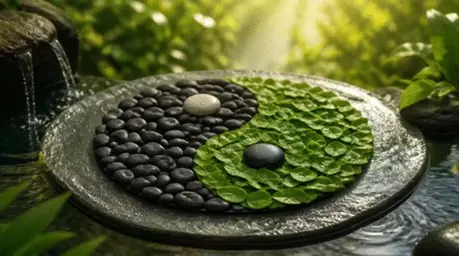
Yin-Yang
The balance of opposing forces is essential for good health. Each organ reflects these principles.
Qi
The vital energy that flows through all living things. Imbalances in Qi can lead to illness.
Five Elements
Wood, Fire, Earth, Metal, Water—each corresponds to different organs and emotions, influencing TCM practices.
Ancient Texts
Foundational texts like the Huangdi Neijing and Shang Han Lun guide practitioners in TCM philosophy and practice.
Foundational Insights into Traditional Chinese Medicine (TCM)
Traditional Chinese Medicine, known as TCM, has a rich tapestry of history that spans over 2,500 years. This ancient practice emerged as a holistic approach to health, intertwining the physical, mental, and spiritual aspects of well-being. With its roots tracing back to the early dynasties of China, TCM has evolved through the teachings of notable figures and influential texts, shaping its principles and practices that we still honor today.
Among the key historical figures is Huangdi, the Yellow Emperor, who is attributed with the compilation of the Huangdi Neijing (The Yellow Emperor's Classic of Medicine). This foundational text laid the groundwork for many TCM practices and philosophies. The historical progression of TCM not only reflects the evolution of medical understanding in ancient China but also showcases how cultural beliefs and societal needs shaped its development.
Understanding the Historical Context of TCM
As we delve deeper, it’s essential to recognize the historical context that shaped TCM. The early formulation of TCM was influenced by various philosophies, including Daoism and Confucianism. These philosophies emphasized harmony with nature and understanding the body’s connection with the universe. This perspective has been crucial in shaping the holistic approach that TCM embodies today. For further reading on the historical and cultural significance of TCM, you can refer to resources from the Chinese government and the National Health Commission of the People's Republic of China.
As Traditional Chinese Medicine evolved, acupuncture became one of its most recognized and widely practiced therapies. By stimulating specific meridian points, acupuncture aims to regulate Qi and restore harmony within the body. To better understand how this ancient technique supports physical and mental health, explore the detailed explanation of acupuncture benefits and meridian balance, which highlights how this traditional practice continues to play a vital role in holistic healing today.
Some key historical milestones in TCM include:
- The establishment of the Shang Han Lun (Treatise on Cold Damage) during the Han Dynasty, which focused on diagnosing diseases and formulating treatment strategies.
- The development of acupuncture techniques in ancient China, which have been practiced for centuries to promote healing and balance.
- The influence of Buddhist teachings on the understanding of Qi and the interconnectedness of all living things.
Defining Key Concepts of TCM
At the heart of TCM are several pivotal concepts that help explain health and wellness. One of the most foundational ideas is the concept of yin-yang, which represents the duality of nature. Yin and yang are opposite forces that are interconnected, and maintaining their balance is vital for good health. Each organ and system in our body reflects these principles, guiding TCM practitioners in their diagnosis and treatment plans. For a comprehensive overview of these core principles, the National Center for Complementary and Integrative Health (NCCIH) provides valuable information.
Additionally, the concept of Qi (pronounced "chee") is central to TCM. Qi refers to the vital energy that flows through our bodies, nourishing organs, and sustaining life. Any blockage or imbalance in Qi can lead to illness. Understanding these concepts is crucial to embracing TCM as a holistic approach to wellness.
- Yin-Yang: The balance of opposing forces.
- Qi: The life force that flows through all living things.
- Five Elements: Wood, Fire, Earth, Metal, Water—each element corresponds to different organs and emotions.
The Role of Ancient Texts in TCM
Ancient texts serve as the backbone of TCM philosophy and practice. Among them, the Huangdi Neijing is a cornerstone work that addresses various aspects of health, including diagnosis, treatment methods, and the relationship between the body and environment. Another significant text, the Shang Han Lun, provides insights into the understanding of diseases and herbal formulations.
These texts not only offer a historical account of TCM practices but also illustrate the wisdom and knowledge accumulated over centuries. They guide practitioners in understanding the complexities of human health and provide a framework for treatment strategies. For anyone interested in TCM, exploring these ancient works is a fascinating journey into the heart of holistic health.
Pro Tip
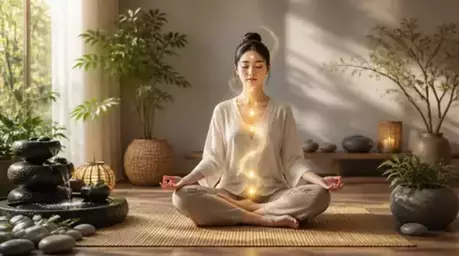
Did you know? Incorporating small practices from TCM into your daily routine can greatly enhance your well-being. For instance, consider starting your day with a simple Qi Gong exercise. This gentle form of movement promotes energy flow and balance, while also reducing stress. Just a few minutes each morning can set a positive tone for your day!
Frequently Asked Questions About Traditional Chinese Medicine (TCM)
Enhancing Your Understanding of TCM: Resources and Tools
Diving deeper into the world of Traditional Chinese Medicine (TCM) can be an enriching experience! To help you embark on this journey, I've compiled a list of essential resources and tools that can enhance your understanding and engagement with TCM practices. Whether you're just starting out or looking to expand your knowledge, these resources will serve you well.
Recommended Books and Further Reading on TCM
Books are a treasure trove of knowledge, especially when it comes to understanding the principles of TCM. Here are some must-read titles that I find particularly insightful:
- The Web That Has No Weaver by Ted J. Kaptchuk - This book offers a comprehensive introduction to the philosophy and practice of TCM.
- Between Heaven and Earth by Harriet Beinfield and Efrem Korngold - A great resource that explores the concepts of TCM in a holistic manner.
- The Complete Book of Chinese Medicine by Daniel Reid - This book provides a thorough overview of TCM practices and their applications.
- Chinese Herbal Medicine: Formulas & Strategies by Dan Bensky et al. - A detailed guide on herbal medicine and its role in TCM.
These books can help you grasp the foundational concepts of TCM and inspire you to explore further!
Interactive Tools for TCM Learning
Learning about TCM can be even more engaging through interactive tools and resources. Here are a few suggestions to enhance your understanding:
- Quizzes for Constitution Typing: These quizzes help you understand your unique constitution as per TCM principles.
- Infographics on TCM Body Maps: Visual aids that illustrate the meridian pathways and organ systems enhance your knowledge of energy flow.
- Mobile Apps: Apps like “TCM Clinic” offer resources, herbal remedies, and educational materials right at your fingertips!
Using these interactive elements, you can make your learning experience both fun and meaningful! Have you tried any of these yet?
Education and Training in TCM
If you feel a calling to delve deeper, pursuing formal education in TCM can be incredibly fulfilling! Here’s a look at some options for those interested in a career in this healing art:
- TCM Schools: Institutions like the American College of Traditional Chinese Medicine or the Traditional Chinese Medicine World Foundation offer comprehensive programs.
- Online Courses: Websites like Coursera and Udemy have various courses on TCM principles and practices.
- Certifications: Obtaining certifications in acupuncture, herbal medicine, or massage therapy can enhance your credentials.
Taking this step can open many doors to understanding not just TCM, but also how to help others on their wellness journey. Who knows? You might find a new passion!
Summarizing Key Takeaways and Engaging Next Steps
Recap of Fundamental Concepts in Traditional Chinese Medicine
As we wrap up our discussion on TCM, it’s essential to remember the key concepts we explored. Understanding the history, core principles, and practices of TCM can greatly enhance your overall wellness journey. Each element plays a vital role in the intricate tapestry of health and balance.
Call to Action: Exploring TCM for Personal Wellness
I encourage you to explore TCM practices further! Whether it's visiting a local practitioner or utilizing online resources, embrace the journey of discovery. Every small step you take brings you closer to understanding your body and mind’s needs. At the Inner Balance Meridian Hub, we’re here to support you in nurturing your health through informed choices and holistic strategies. What practice will you try today?
Recap of Key Points
Here is a quick recap of the important points discussed in the article:
- Historical Significance: Traditional Chinese Medicine (TCM) has a history spanning over 2,500 years, shaped by key figures like Huangdi and foundational texts such as the Huangdi Neijing.
- Philosophical Influences: TCM is deeply rooted in Daoism and Confucianism, emphasizing harmony with nature and the interconnectedness of the body and universe.
- Core Concepts: Key TCM concepts include Yin-Yang (balance of forces), Qi (vital energy), and the Five Elements (Wood, Fire, Earth, Metal, Water) which correspond to organs and emotions.
- Importance of Ancient Texts: Texts like the Shang Han Lun provide insights into health, diagnosis, and treatment strategies, forming the backbone of TCM practices.
- Resources for Learning: Recommended books and interactive tools can enhance your understanding of TCM, making the learning process engaging and insightful.
- Education Opportunities: For those interested in a career in TCM, formal education and certifications are available through various institutions and online platforms.