As we explore the intricate connections between mind, body, and health, consider how ancient wisdom can reshape our modern approach to well-being. Traditional Chinese Medicine (TCM) is more than just a treatment; it's a holistic philosophy that emphasizes balance and harmony in all aspects of life. By understanding its principles, we can enhance our health journeys.
What You Will Learn
- Holistic Approach: TCM prioritizes understanding the root causes of health issues, rather than merely alleviating symptoms.
- Interconnected Health: TCM views physical, emotional, and spiritual health as interconnected, necessitating a comprehensive treatment plan.
- Nature's Rhythms: Seasonal changes are integral to health in TCM, encouraging alignment with nature's cycles.
- Patient Engagement: Involving patients through assessments fosters accountability and improves treatment outcomes.
- Personalized Treatments: TCM practitioners create tailored plans based on individual symptoms, lifestyle, and health patterns.
- Diagnostic Techniques: Tongue and pulse analysis provide insights into internal health imbalances critical for effective treatment.
- Integrative Solutions: Blending TCM with modern medical practices can enhance patient care and treatment efficacy.
Key Comparisons Between TCM and Western Medicine Approaches
Understanding the distinctions between Traditional Chinese Medicine (TCM) and Western medicine can enhance our appreciation for both practices. Below, you can see key contrasts in their approaches to healthcare. For a deeper dive into the fundamental concepts, explore the basics of Traditional Chinese Medicine.
Symptom Treatment vs. Root Cause
Western medicine frequently targets symptoms with medication, while TCM aims to address underlying imbalances.
Pharmaceuticals vs. Naturals
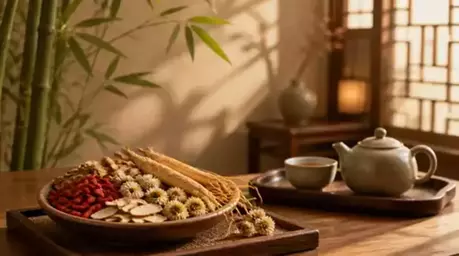
TCM primarily uses natural remedies, emphasizing herbal medicine and lifestyle modifications.
Patient-Centered Care
In TCM, practitioners nurture a deeper relationship with patients, often spending more time understanding their experiences.
Holistic Treatment
TCM focuses on the whole person, considering emotional and environmental factors alongside physical symptoms.
Understanding Insights from Traditional Chinese Medicine Practitioners
When we dive into the world of Traditional Chinese Medicine (TCM), we discover a treasure trove of wisdom that connects body, mind, and spirit. At the Inner Balance Meridian Hub, I often reflect on how TCM embodies a holistic approach to health. This practice emphasizes the importance of viewing the individual as a whole, rather than merely treating specific symptoms.
The roots of TCM are deeply embedded in ancient philosophies that explore the balance of energies, making it distinct from many modern medical practices. This uniqueness allows TCM to offer insights that are not only profound but also practical for everyday well-being. So, how does this ancient wisdom translate into effective treatment in our daily lives?
Defining Traditional Chinese Medicine: A Holistic Approach
At its core, TCM is based on the belief that our health depends on the balance of vital energies. But what exactly does this mean? Let’s break it down into a few key points:
- Holistic Focus: TCM seeks to understand the root causes of ailments rather than just addressing symptoms.
- Interconnectedness: Our physical, emotional, and spiritual health are all linked, emphasizing a comprehensive treatment plan.
- Nature's Influence: TCM takes into account seasonal changes and their effects on our bodies, aligning our health with nature’s rhythms.
Exploring the Fundamentals of TCM
One of the most fascinating aspects of TCM is its emphasis on concepts like Qi (life energy), Yin and Yang, and meridian pathways. These elements work together to promote health and healing, guiding practitioners in their assessments and treatments. For instance, if your Qi is blocked, it can lead to physical and emotional discomfort, much like how meridian balance through daily habits can significantly impact overall well-being.
By understanding these fundamentals, we can better appreciate how TCM practitioners tailor their approaches to individual needs, often using techniques like acupuncture and herbal remedies to restore balance.
Contrast with Western Medicine Approaches
Unlike Western medicine, which often focuses on specific diseases or symptoms, TCM takes a broader perspective. Here are some distinctions that highlight this contrast:
- Symptom Treatment vs. Root Cause: Western medicine frequently targets symptoms with medication, while TCM aims to address underlying imbalances.
- Pharmaceuticals vs. Naturals: TCM primarily uses natural remedies, emphasizing herbal medicine and lifestyle modifications.
- Patient-Centered Care: In TCM, practitioners nurture a deeper relationship with patients, often spending more time understanding their experiences.
As a practitioner and advocate of TCM, I see the value in both approaches. By blending the strengths of TCM with modern medical practices, we can create more effective and personalized healthcare solutions.
The Role of TCM Practitioners in Outcome Evaluation
Evaluating the outcomes of TCM treatments is crucial in understanding their effectiveness. TCM practitioners often use two main types of assessments: Patient-Reported Outcomes (PRO) and Clinician-Reported Outcomes (CRO). This dual approach ensures that both the patient's perspective and the clinician's observations inform treatment plans.
By engaging patients in their healing journeys, TCM practitioners foster a collaborative environment. This not only enhances the overall experience but also promotes greater accountability in the healing process.
Patient-Reported Outcomes (PRO) and Clinician-Reported Outcomes (CRO)
Patient-Reported Outcomes (PRO) emphasize the patient's perspective on their health status. This includes:
- Symptom Relief: How the patient feels post-treatment, including changes in pain levels or emotional well-being.
- Quality of Life: An assessment of how treatment affects everyday activities and overall happiness.
- Self-Management: The patient's ability to manage their conditions effectively.
On the other hand, Clinician-Reported Outcomes (CRO) focus on the practitioner's assessment of the treatment's effectiveness, which may include clinical observations and diagnostic evaluations. Together, these evaluations create a comprehensive view of treatment outcomes.
Pattern Differentiation: Techniques Used by Practitioners
Pattern differentiation is a cornerstone of TCM practice. It involves identifying specific patterns based on a patient's unique symptoms and conditions. TCM practitioners use various techniques to achieve this, such as:
- Observation: Noting physical signs, like complexion and posture.
- Inquiry: Asking detailed questions about lifestyle, emotions, and history.
- Diagnosis: Utilizing tongue and pulse analysis to gather insights.
This method allows practitioners to create tailored treatment plans that address not only the symptoms but also the underlying imbalances in the body. For example, understanding how understanding acupuncture benefits can be crucial in addressing specific patterns.
Diagnostic Techniques: Tongue and Pulse Analysis
Tongue and pulse diagnosis are ancient practices that provide invaluable insights into a patient’s health. These techniques reveal information about internal imbalances and guide treatment strategies, making them essential tools for TCM practitioners.
As I continue my journey with the Inner Balance Meridian Hub, I often reflect on how these diagnostic methods can bridge the gap between ancient wisdom and modern wellness practices.
Understanding Imbalances Through Tongue Diagnosis
The tongue acts as a mirror of our internal health. Here are key aspects to consider during tongue diagnosis:
- Color: Different colors can indicate various health issues, such as red for heat or pale for deficiency.
- Coating: A thick coating might suggest digestive issues, while a thin coating could indicate a healthier state.
- Shape and Size: A swollen tongue can reflect dampness, while a thin tongue may indicate dehydration or deficiency.
These observations offer a window into the patient’s overall well-being, guiding practitioners in their treatment choices.
Pulse Diagnosis: Insights Into Patient Health
Along with tongue diagnosis, pulse diagnosis offers a deeper understanding of a patient's condition. TCM practitioners examine:
- Quality: The pulse can be soft, hard, or thin, each indicating different health states.
- Rate: A rapid pulse might suggest heat in the body, while a slow pulse could indicate coldness.
- Strength: A weak pulse often points to deficiency, while a strong pulse can reveal excess energy.
Combining tongue and pulse analysis allows practitioners to paint a full picture of a patient’s health, creating targeted treatment plans that resonate with their unique needs.
Key Concepts in Traditional Chinese Medicine
Understanding key concepts within TCM is essential for anyone seeking to explore its benefits. At the heart of TCM are three critical elements that shape our health journeys: Qi, Yin and Yang, and Meridian Theory.
These ideas form the backbone of TCM practices, providing a framework for understanding how we can cultivate balance and wellness in our lives.
Pro Tip
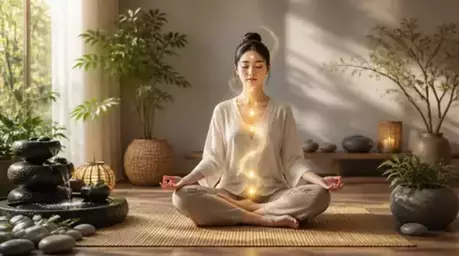
To maximize the benefits of Traditional Chinese Medicine, consider incorporating mindfulness practices such as meditation or Tai Chi into your routine. These practices can enhance your Qi flow and help maintain the balance between Yin and Yang, further supporting your overall health and well-being.
Concluding Insights from TCM Practitioners
As we wrap up our exploration of Traditional Chinese Medicine (TCM), it’s essential to reflect on the vital insights that emerge from this ancient practice. From the holistic approach that defines TCM to the intricate diagnostic techniques employed by practitioners, the findings reveal a rich tapestry of health and healing. By embracing these principles, we can cultivate a deeper understanding and appreciation for the balance of body and mind that TCM advocates.
The integration of TCM with modern healthcare practices is not just beneficial; it’s necessary for fostering comprehensive treatment outcomes. By recognizing the strengths of both TCM and Western medicine, we can pave the way for innovative approaches that enhance patient care and overall well-being. For a personal perspective on how these practices can transform health, read about acupuncture and my health journey.
Summarizing Key Findings on TCM Practices
In reviewing the core elements of TCM, several key findings stand out:
- Holistic Treatment: TCM focuses on the whole person, considering emotional and environmental factors alongside physical symptoms.
- Personalized Care: Practitioners tailor treatments to the individual's unique health patterns and imbalances.
- Integrative Techniques: Combining acupuncture, herbal medicine, and other modalities enhances the overall effectiveness of treatment.
- Patient Engagement: Involving patients in their healing process leads to better outcomes and satisfaction.
These findings highlight the importance of integrative approaches in enhancing treatment outcomes and fostering a harmonious balance in health.
Importance of Integrative Approaches in Treatment Outcomes
Integrating TCM principles with modern healthcare practices can create a more holistic framework for treating various health issues. For instance, collaborative care can lead to improved management of chronic conditions, providing patients with a wider range of therapeutic options. Furthermore, by acknowledging the value of patient-reported outcomes and clinician insights, practitioners can refine their approaches for better results.
At Inner Balance Meridian Hub, we celebrate this blended approach, recognizing that the synergy between TCM and contemporary medicine opens doors for enhanced patient care. By engaging in community wellness practices, we can further amplify the impact of these combined methodologies.
Future Directions for TCM in a Modern Context
Looking ahead, the future of TCM is bright! As we embrace technological advancements and the integration of artificial intelligence, TCM practitioners have the potential to enhance diagnostic accuracy and treatment efficacy. However, it’s crucial to navigate these advancements with care, ensuring that the essence of TCM—its focus on balance and patient-centered care—remains intact.
Moreover, fostering collaboration between TCM practitioners and conventional healthcare providers will be key. This can lead to a more comprehensive understanding of health challenges and innovative solutions that benefit patients in a fast-evolving healthcare landscape.
Engaging with TCM: FAQs and Community Resources
As you delve deeper into TCM, you may have some questions about its practices and outcomes. Here are a few common inquiries that many individuals have:
- What can I expect during a TCM consultation? Practitioners will typically evaluate your health history, diet, lifestyle, and perform diagnostic techniques like tongue and pulse analysis.
- How long does it take to see results from TCM treatments? While some individuals may notice improvements quickly, others might require more time depending on the complexity of their health issues.
- Are there any risks associated with TCM? Like any form of treatment, TCM has its risks. It’s important to consult qualified practitioners to ensure safe practices.
These FAQs represent just a glimpse into the dialogue surrounding TCM. Engaging with these questions can provide valuable insights as you explore your own wellness journey.
Connecting with TCM Practitioners: Resources and Support
At the Inner Balance Meridian Hub, we are passionate about connecting individuals with qualified TCM practitioners who can guide them on their health journey. Here are some resources that can help you:
- Local Wellness Centers: Explore community wellness centers that offer TCM services, workshops, and consultations.
- Online Directories: Use online platforms to find licensed TCM practitioners in your area.
- Educational Workshops: Attend workshops to learn more about TCM principles and practices.
These resources can empower you to make informed choices about your health and wellness, fostering a deeper connection with TCM.
Encouraging Dialogue on TCM Insights
We invite practitioners and those interested in TCM to share their experiences and insights with us! Your contributions can help enrich the community’s understanding of TCM and its evolving role in health care. Whether you have success stories or challenges you've encountered, your voice matters.
Engaging in open dialogue allows us to learn from one another and continue to explore the depths of TCM. Let’s foster a community that values ongoing research, collaboration, and shared experiences in the realm of holistic healing.
Importance of Continued Research and Community Engagement in TCM
As we move forward, the need for continued research in TCM practices cannot be overstated. By participating in studies, sharing data, and discussing outcomes, we can ensure that TCM adapts and thrives in a modern context. Community engagement plays a vital role in this process, enabling practitioners to stay connected with their patients' needs and experiences. For example, understanding acupuncture and meridian wellness insights can spark further research and dialogue.
At Inner Balance Meridian Hub, our mission is to cultivate a space for dialogue and learning. As we reflect on TCM’s rich history and its promising future, let’s continue to support each other in our journey toward a balanced and fulfilling life!
Recap of Key Points
Here is a quick recap of the important points discussed in the article:
- Holistic Treatment: TCM emphasizes treating the whole person by addressing emotional and environmental factors alongside physical symptoms.
- Personalized Care: Practitioners tailor treatments based on the individual's unique health patterns and imbalances.
- Integrative Techniques: The use of acupuncture, herbal medicine, and other modalities enhances treatment effectiveness.
- Patient Engagement: Active involvement of patients in their healing process leads to improved outcomes and satisfaction.
- Balance with Modern Healthcare: Integrating TCM with Western medical practices fosters comprehensive treatment solutions.