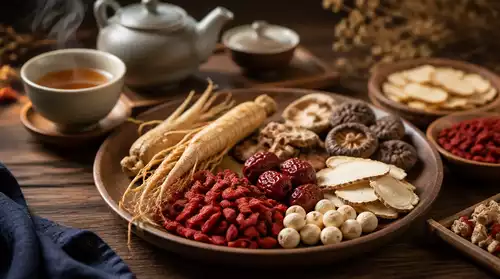
Consider this: the food you consume has the power to influence not just your physical health but also your emotional and spiritual well-being. This is the essence of Traditional Chinese Medicine (TCM), where diet is viewed as a holistic practice that nourishes the body, mind, and spirit. By understanding TCM dietary principles, you can transform your meals into opportunities for wellness and harmony.
What You Will Learn
- Embrace Seasonal Eating: Aligning your diet with the seasons enhances health and maintains balance.
- Focus on Food Energetics: Understand the warming and cooling properties of foods to support digestion and vitality.
- Incorporate the Five Flavors: Each flavor—sweet, sour, bitter, spicy, and salty—offers unique health benefits that enrich your meals.
- Listen to Your Body: Personalize your diet according to your health needs and constitution for optimal well-being.
Key Dietary Principles of Traditional Chinese Medicine
Understanding the essential principles of diet in Traditional Chinese Medicine enhances our approach to health and well-being. Below are the core concepts illustrated for clarity. For a broader understanding of TCM, consider exploring the basics of Traditional Chinese Medicine.
Yin and Yang Balance
The balance between cooling (Yin) and warming (Yang) foods is crucial for maintaining health.
The Five Flavors
Incorporating sweet, sour, bitter, spicy, and salty flavors enhances health and wellness.
Seasonal Eating
Aligning food choices with the seasons promotes balance and health throughout the year.
Food Energetics
Recognizing the inherent qualities of food enhances digestion and vitality.
Understanding the Significance of Diet in Traditional Chinese Medicine
When it comes to health and wellness, the importance of diet cannot be overstated, especially through the lens of Traditional Chinese Medicine (TCM). TCM advocates for a holistic approach, where what we eat not only nourishes our bodies but also harmonizes our *mind*, *spirit*, and the environment around us. This philosophy underlines the interconnection between food and health, guiding us to choose wisely for our well-being.
At the Inner Balance Meridian Hub, I often reflect on how TCM views food as a source of **vital energy**—or *Qi*. This energy is essential not just for physical health but for emotional and spiritual balance as well. Understanding TCM dietary practices can enrich our daily choices, making meals an opportunity for nourishment and healing.
Exploring the Foundations of TCM Dietary Practices
TCM dietary practices are built on ancient principles that recognize the unique qualities of foods and their effects on our bodies. One of the core concepts is the balance of Yin and Yang. Foods are categorized based on their properties: some are cooling and nourishing (Yin), while others are warming and energizing (Yang). This balance is crucial in supporting health and maintaining harmony within. To learn more about maintaining this balance, explore finding balance with Yin and Yang.
Another foundational aspect is the idea of *food energetics*, which refers to the inherent qualities and effects foods have on our bodies. For instance, foods that are rich in color, such as dark leafy greens, are considered to possess energetic qualities that can nurture our health. By incorporating a variety of foods that align with TCM principles, we can tailor our diets to meet our unique needs.
- Emphasis on seasonal eating
- Incorporation of medicinal herbs and spices
- Focus on whole, unprocessed foods
How Diet Functions in TCM: Principles and Theories
Yin and Yang: The Balance of Foods
The concept of *Yin and Yang* is pivotal in TCM dietary choices. Foods categorized as Yin tend to cool the body and are often hydrating. These include fruits, vegetables, and some grains. On the other hand, Yang foods are warming and energizing, such as meats, spices, and certain cooked dishes. Striving for a balance between these two types of foods is key to maintaining health.
When we consider our meals, we should ask ourselves: Are we incorporating a mix of both Yin and Yang foods? This simple principle can guide us to create meals that not only satisfy our hunger but also align with our body's needs.
The Five Flavors: Impact on Health and Well-being
The *Five Flavors*—sweet, sour, bitter, spicy, and salty—play a critical role in TCM. Each flavor impacts our health differently, influencing various organ systems. For example, *sweet* flavors help to nourish and support the spleen, while *bitter* foods assist in detoxification and promoting heart health.
Integrating these flavors into our meals can enhance our overall well-being, making meals more enjoyable and nutritionally comprehensive. Consider adding a variety of flavors to each dish you prepare; it can be a delightful way to support your health!
- Sweet: Nourishes and builds energy
- Sour: Supports digestion and liver health
- Bitter: Detoxifies and cools
- Spicy: Stimulates and invigorates
- Salty: Grounds and hydrates
Five Elements Theory and Its Relation to Diet
The *Five Elements Theory*—wood, fire, earth, metal, and water—also influences our dietary choices in TCM. Each element corresponds to certain flavors, colors, and even seasons, which can guide us in selecting foods that support our health throughout the year. For instance, during spring, we might focus on *green* foods, such as leafy vegetables, that align with the wood element. Discover more about seasonal wellness through Chinese Medicine.
This connection between nature and our diets reminds us to align our eating habits with the world around us. By choosing foods that resonate with each season, we can nurture our bodies according to their unique needs.
Understanding Qi and Its Role in Dietary Practices
Finally, *Qi*, or vital energy, is a central concept in TCM that extends into our dietary practices. Foods are seen not only as sustenance but as a source of Qi that can either enhance or deplete our energy levels. Choosing foods that nourish our Qi can lead to improved vitality and overall wellness.
In my practice at the Inner Balance Meridian Hub, I encourage individuals to explore foods that resonate with their personal energy needs. This might mean incorporating more whole foods that are rich in nutrients or adjusting cooking methods to preserve the natural energy in food.
Understanding these principles of TCM offers a pathway to a more mindful and balanced approach to eating. As we discover the significance of diet in Traditional Chinese Medicine, we can make deliberate choices that nourish not just our bodies, but our *spirits* as well. Let's continue this journey together, exploring how seasonal eating can further enhance our well-being!
Pro Tip
When incorporating TCM principles into your diet, try to focus on the colors of your foods. A colorful plate not not only looks appealing but also ensures you’re getting a range of nutrients. Each color corresponds to different health benefits, so aim for a vibrant variety to maximize your vitality and wellness!
Frequently Asked Questions About TCM Diet Principles
- What is the main goal of diet in Traditional Chinese Medicine (TCM)?
- The main goal of diet in TCM is to holistically nourish the body, mind, and spirit, promoting overall wellness and harmony by balancing internal energies.
- How does TCM categorize foods?
- TCM categorizes foods based on their "energetics" or properties, primarily as Yin (cooling, nourishing) or Yang (warming, energizing), and by their five flavors (sweet, sour, bitter, spicy, salty), which impact different organ systems.
- Why is seasonal eating important in TCM?
- Seasonal eating is crucial in TCM because aligning your diet with the seasons helps to maintain balance within the body and adapt to environmental changes, promoting health throughout the year.
- What are the Five Flavors in TCM and their significance?
- The Five Flavors are sweet, sour, bitter, spicy, and salty. Each flavor has unique effects on specific organ systems: sweet nourishes the spleen, sour supports the liver, bitter detoxifies the heart, spicy stimulates the lungs, and salty grounds the kidneys.
- What role does Qi play in TCM dietary practices?
- Qi, or vital energy, is central to TCM diet. Foods are considered sources of Qi that can enhance or deplete energy levels. Therefore, choosing foods that nourish Qi is vital for improved vitality and overall wellness.
Summarizing the Role of Diet in Traditional Chinese Medicine
In reflecting on the principles of diet within Traditional Chinese Medicine (TCM), it becomes clear how essential it is to align our food choices with these time-honored concepts for achieving holistic health. The balance of yin and yang, the significance of the five flavors, and the relationship with the Five Elements all guide us in selecting foods that nourish not just our bodies, but our minds and spirits as well. It’s about understanding that what we eat can profoundly impact our overall well-being and energy flow.
Moreover, TCM teaches us that food is more than just sustenance; it plays a pivotal role in maintaining our Qi, or life force. By being mindful of our dietary practices, we can foster greater harmony within ourselves. As someone deeply passionate about the principles of TCM, I believe this mindful approach to food can be transformative in our daily lives.
Key Takeaways on TCM Diet Principles
As we wrap up our exploration of TCM dietary practices, here are some key takeaways to remember:
- Embrace Seasonal Eating: Aligning your diet with the seasons helps maintain balance and enhances health.
- Focus on Food Energetics: Recognize the warming and cooling properties of foods to support digestion and overall vitality.
- Incorporate the Five Flavors: Each flavor has unique benefits that can enrich your meals and health.
- Listen to Your Body: Personalizing your diet according to your constitution and health needs is crucial for well-being.
These principles reflect the foundational concepts that guide us at the Inner Balance Meridian Hub. By integrating them into our lives, we can cultivate a richer and more nourishing relationship with food.
Encouraging a Mindful Approach to Food Choices
Have you ever taken a moment to really think about what you eat? Engaging in a mindful approach to food choices allows us to appreciate the journey of our meals from farm to table. It encourages us to consider not just the nutritional content but also the source and preparation of our foods.
Being intentional about our food selection can lead to numerous benefits. Here are some ways to practice mindfulness in your eating habits:
- Plan Your Meals: Create a weekly meal plan that incorporates TCM principles.
- Prepare with Love: Cook meals with care, appreciating each ingredient’s role in your health.
- Eat Slowly: Take the time to savor each bite, noticing flavors and textures.
- Reflect on Your Choices: After meals, consider how the food made you feel physically and emotionally.
At the Inner Balance Meridian Hub, I encourage you to embrace this mindfulness journey. It’s a wonderful way to connect deeper with your nutritional choices and overall wellness.
Engaging with TCM Dietary Practices for Wellness
Next Steps: Implementing TCM Dietary Changes
As you consider incorporating TCM dietary principles into your life, I recommend starting small. You don’t need to overhaul your entire diet overnight; instead, take gradual steps that feel manageable. Begin by adding seasonal foods to your meals or experimenting with the five flavors. Each small change can lead to a more balanced and fulfilling eating experience. For more on integrating these changes, consider reading about meridian balance through daily habits.
Additionally, try keeping a food journal to track what you eat and how it affects your energy and mood. This practice can provide valuable insights into your dietary habits and help you make informed adjustments over time.
Inviting Feedback and Shared Experiences
I would love to hear about your journey with TCM dietary practices! Have you tried any of the foods or principles we discussed? What changes have you noticed in your well-being? Sharing your experiences can inspire others in our community to explore the benefits of a TCM-inspired diet.
Feel free to reach out through the Inner Balance Meridian Hub, where we can continue this conversation and support each other in our pursuit of balance and wellness!
Recap of Key Points
Here is a quick recap of the important points discussed in the article:
- Embrace Seasonal Eating: Align your diet with the seasons to maintain balance and enhance health.
- Focus on Food Energetics: Recognize the warming and cooling properties of foods to support digestion and overall vitality.
- Incorporate the Five Flavors: Each flavor—sweet, sour, bitter, spicy, and salty—has unique benefits that can enrich your meals and health.
- Listen to Your Body: Personalize your diet according to your constitution and health needs for optimal well-being.
- Mindful Engagement: Take time to appreciate the journey of food from farm to table, and reflect on how meals affect your health.