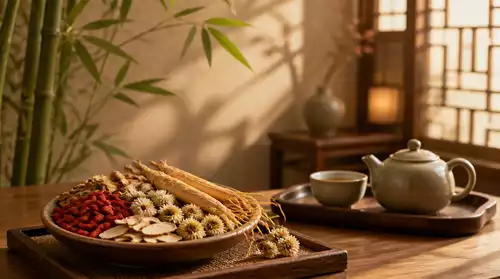
Have you ever wondered how ancient healing practices can resonate in your journey toward wellness? Traditional Chinese Medicine (TCM) offers a holistic approach that explores the profound connections between body, mind, and the universe, providing valuable lessons for personal recovery.
What You Will Learn
- TCM emphasizes a holistic approach, treating not just physical symptoms but also emotional and spiritual well-being.
- The philosophies of Yin and Yang alongside the Five Elements Theory highlight the importance of balance in health.
- Personal recovery stories illustrate the transformative potential of TCM, showcasing resilience and diverse paths to wellness.
- Integrative health combines Eastern and Western medical practices, promoting a more comprehensive support system for individuals.
- Listening to personal narratives fosters connection and validation, which can enhance the recovery experience.
- Engaging with TCM can involve researching practitioners, participating in discussions, and sharing personal experiences for community support.
- Building a supportive network around TCM healing is crucial for ongoing growth and resilience in wellness journeys.
Key Insights from Personal Recovery through TCM
Exploring the transformative narratives of individuals who embraced Traditional Chinese Medicine on their healing journeys reveals essential insights. Below is a visual representation of the main elements highlighted in these personal stories. For a deeper dive into foundational concepts, consider learning more about the basics of Traditional Chinese Medicine.
Holistic Treatment Approaches
TCM emphasizes that health is multifaceted, encompassing physical, emotional, and spiritual dimensions.
Validation of Experiences
Hearing how others navigated similar challenges provides reassurance and courage to explore TCM's benefits.
Integrative Health
The blending of Eastern and Western philosophies offers a balanced approach, enhancing the recovery journey.
Community Engagement
Connecting with local wellness circles and sharing experiences fosters a supportive environment for healing.
Understanding Personal Accounts of Recovery through TCM Philosophies
When we delve into the world of Traditional Chinese Medicine (TCM), we uncover a treasure trove of wisdom that goes beyond mere treatments—it invites us to explore the profound connections between our bodies, minds, and the universe around us. TCM's holistic approach emphasizes balance, reflecting the intricate tapestry of life. Are you curious how these age-old philosophies can illuminate the path to recovery? Let’s embark on this enlightening journey to understand the roots and personal experiences that shape TCM’s impactful healing stories.
Exploring the Roots of Traditional Chinese Medicine
Traditional Chinese Medicine, with its deep historical roots, offers us a lens through which we can appreciate the evolution of healing practices. TCM has been practiced for thousands of years, making it one of the oldest systems of medicine in the world. This rich history provides a solid foundation for understanding how it addresses various health challenges today. Have you ever wondered how ancient practices still resonate in modern wellness?
The Historical Significance of TCM in Healing
The journey of TCM began thousands of years ago, with ancient texts like the Huangdi Neijing, or the Yellow Emperor's Classic of Internal Medicine, laying the groundwork for modern practices. These writings highlight the importance of balance and the interconnectedness of body and spirit. Understanding this historical significance is essential to appreciate why TCM remains relevant in our lives today. It reminds us that healing is not just about treating symptoms but nurturing a deeper harmony within. For many, this journey can be transformative, as shared in real acupuncture therapy patient stories.
Core Philosophies: Holistic Approach to Health
At the heart of TCM lies a holistic philosophy that emphasizes treating the entire person rather than just the ailment. This means addressing not only physical symptoms but also emotional and spiritual well-being. Through this comprehensive lens, TCM practitioners guide individuals toward sustainable health practices. How might your life change if you viewed your well-being through this holistic perspective?
Traditional Chinese Philosophy: Yin and Yang and the Five Elements Theory
Yin and Yang, alongside the Five Elements Theory, are core concepts of TCM that explain the dynamics of balance and harmony. Yin represents qualities like coolness and rest, while Yang embodies warmth and activity. Together, they create a dynamic equilibrium essential for health. The Five Elements—Wood, Fire, Earth, Metal, and Water—further illustrate how different aspects of nature influence our health and emotions. Have you ever considered how these elements interact in your own life?
The Journey of Recovery: Personal Stories and Experiences
Personal accounts of recovery through TCM weave a rich narrative of healing that inspires and educates. These stories reveal not only the effectiveness of TCM but also the resilience of individuals navigating their health journeys. I find it fascinating to see how diverse experiences show us the various paths to wellness. What personal story resonates with you in your own healing journey?
Real-Life Testimonials: Healing After Conventional Care
Many individuals who have turned to TCM after conventional care often share transformative experiences. They highlight how TCM complemented their existing treatments, leading to significant improvements in their overall well-being. Here are some common themes in these testimonials:
- A deeper connection to their body and emotions
- Reduction in chronic pain and symptoms
- Enhanced energy and vitality
Condition-Specific Recovery: Stories from Various Health Challenges
Recovery stories often shine a light on specific conditions, showcasing TCM’s versatility. Here are a few examples that reflect the breadth of healing experiences:
- Fibromyalgia and Chronic Pain Recovery: Many individuals report significant relief from pain and increased function.
- Digestive Health Restoration: TCM’s approach to gut health helps restore balance and alleviate discomfort.
- Skin Conditions: Eczema and More: Natural remedies from TCM promote healthier skin and reduce flare-ups.
Emotional Healing: Personal Growth through Recovery
Recovery is not only about physical healing; it often leads to profound emotional growth. Many individuals discover strengths they never knew they had, thanks to the nurturing environment TCM fosters. By embracing their journeys, they build resilience and connection with their community. How has your own recovery journey influenced your emotional landscape?
TCM Modalities Used in Recovery Stories
In exploring TCM recovery stories, we encounter various modalities that play crucial roles in healing. Each practice offers unique benefits and contributes to the broader tapestry of well-being. Let’s take a closer look at some of these modalities:
Acupuncture: A Key Component of Healing
Acupuncture stands out as one of the most well-known TCM practices. By inserting fine needles at specific points, this technique helps restore harmony and alleviate various ailments. Many people find acupuncture to be a soothing experience that induces relaxation and promotes healing. Have you experienced its calming effects? You can learn more about understanding acupuncture benefits to see if it's right for you.
Herbal Medicine: Natural Remedies for Recovery
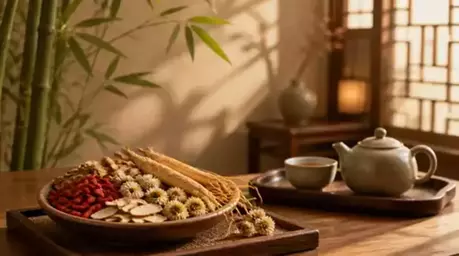
TCM herbal medicine provides a treasure chest of natural remedies to support recovery. These herbs are carefully selected and combined to create personalized formulas tailored to individual needs. From calming teas to potent tinctures, herbal medicine serves as a vital tool in the healing process. Have you tried any herbal remedies in your wellness journey?
Chinese Herbal Remedies and Healing Herbs
Some of the most revered healing herbs in TCM include:
- Ginger: Known for its warming properties, it aids digestion and alleviates nausea.
- Licorice Root: Often used to harmonize other herbs and support adrenal health.
- Ginseng: A powerful adaptogen that boosts energy and resilience.
Movement and Lifestyle Changes: Qigong, Tai Chi, and Diet Therapy
In addition to acupuncture and herbs, movement practices like Qigong and Tai Chi promote physical and mental well-being. These gentle exercises enhance circulation, reduce stress, and improve flexibility. Combined with mindful dietary choices, such as incorporating seasonal foods, they create a comprehensive approach to health. What small changes have you made to support your wellness journey?
Complementary Modalities: Gua Sha and Cupping Therapy
Complementary therapies like Gua Sha and cupping have gained popularity for their ability to relieve tension and encourage circulation. These techniques can be particularly beneficial for those seeking relief from muscle pain or stress. Have you ever experienced these modalities and their impact on your well-being?
Measuring Success in TCM Recovery
Understanding recovery from a TCM perspective requires a different framework for measuring success. It’s not solely about symptom relief; it’s about achieving a harmonious balance within. Here’s how success is often tracked in TCM:
Symptom Progression: Tracking Change Over Time
Many individuals engage in mindful tracking of their symptoms over time. This can involve keeping a journal or utilizing apps to observe patterns and changes. Recognizing these shifts helps individuals appreciate their progress and adjust their approaches as needed. How do you keep track of your wellness journey?
Realistic Outcome Expectations: What to Anticipate
Another essential aspect is setting realistic expectations for outcomes. TCM emphasizes that recovery is a journey, not a destination. Individuals may experience gradual improvements rather than immediate solutions. This understanding fosters patience and resilience in the healing process. What expectations do you hold for your health journey?
TCM Diagnosis: Understanding Your Body’s Balance
Finally, TCM practitioners utilize unique diagnostic techniques to assess an individual’s balance. By observing physical signs and understanding personal histories, practitioners offer insights into one’s health status. This diagnostic approach empowers individuals to engage actively in their recovery journey. How might understanding your body’s balance change your perspective on health?
Addressing Common Questions about TCM Recovery
As we navigate the landscape of TCM recovery, it's natural to have questions. Understanding the nuances of these practices can help demystify the journey. Let’s address some common inquiries:
Safety Considerations: Are There Risks Involved?
Many people wonder about the safety of TCM practices. Generally, TCM is regarded as safe when performed by qualified practitioners. However, it’s essential to communicate openly about your health history and any concerns. Are you aware of your own health needs when seeking TCM care?
Cost of Treatments: What to Expect Financially
Cost can be a significant factor when considering TCM treatments. Prices vary depending on location and practitioner expertise. It’s worthwhile to research and plan for these expenses, ensuring you find a treatment option that suits your budget. Have you explored various TCM options in your area?
Who Can Benefit from TCM? Audience Segmentation
TCM can benefit a wide range of individuals, from those seeking preventive care to those with chronic conditions. It’s particularly advantageous for those who have not found relief through conventional means. How might TCM align with your wellness goals?
Role of TCM Practitioners in Your Healing Journey
Finally, TCM practitioners play a crucial role in guiding individuals on their paths to recovery. They offer personalized insights, support, and encouragement throughout the healing process. Building a trusting relationship with your practitioner can enhance your experience. Have you found a practitioner who resonates with you and your healing journey?
Quick Summary
Here's a brief recap of the key points discussed so far:
- TCM's holistic approach emphasizes the interconnectedness of body, mind, and spirit.
- Historical texts like the Huangdi Neijing highlight the foundational principles of TCM.
- Personal recovery stories illustrate the effectiveness of TCM modalities such as acupuncture and herbal medicine.
- Emotional growth is often a significant aspect of recovery in TCM, fostering resilience and community connection.
Frequently Asked Questions about Personal Recovery through TCM
What is Traditional Chinese Medicine (TCM)?
TCM is a holistic healing system with thousands of years of history, focusing on the interconnectedness of body, mind, and spirit. It emphasizes balance and harmony to achieve optimal health and well-being.
How does TCM differ from conventional Western medicine?
TCM takes a holistic approach, treating the entire person rather than just isolating symptoms. It often utilizes modalities like acupuncture, herbal medicine, and lifestyle adjustments, while Western medicine typically focuses on specific diagnoses and pharmaceutical or surgical interventions.
What are the core philosophies of TCM?
The core philosophies include Yin and Yang, which represent dynamic balance, and the Five Elements Theory (Wood, Fire, Earth, Metal, Water), which explains how natural elements influence health and emotions.
What modalities are commonly used in TCM for recovery?
Common modalities include acupuncture (inserting fine needles at specific points), herbal medicine (using natural plants for healing), Qigong and Tai Chi (movement exercises), diet therapy, Gua Sha, and cupping therapy.
Can TCM be used alongside conventional medical treatments?
Yes, many individuals use TCM as a complementary therapy alongside conventional care. Personal stories often highlight how TCM can enhance existing treatments and improve overall well-being.
How is success measured in TCM recovery?
Success in TCM is measured not only by symptom relief but also by achieving a harmonious balance within the body. It often involves mindful symptom tracking, setting realistic expectations for gradual improvements, and understanding one's body balance through TCM diagnosis.
Are there any risks associated with TCM treatments?
TCM is generally considered safe when administered by qualified and experienced practitioners. It's crucial to communicate your full health history and any concerns to your practitioner.
How can I find a qualified TCM practitioner?
Researching local practitioners, reading reviews, and asking for recommendations can help you find a qualified TCM professional. Building a trusting relationship with your practitioner is key to your healing journey.
Summarizing Key Insights on Personal Recovery through TCM
As we reflect on the powerful stories shared by individuals who have embarked on their recovery journeys through Traditional Chinese Medicine (TCM), several vital lessons emerge. The integration of personal experiences within this holistic framework underscores the transformative potential of TCM. Together, these narratives not only inspire hope but also illuminate pathways for others seeking balance and wellness.
One significant takeaway is the *importance of holistic treatment approaches*. TCM understands that our health is multifaceted, encompassing physical, emotional, and spiritual dimensions. This holistic perspective encourages individuals to view their health as a whole rather than merely addressing isolated symptoms. Have you considered how a comprehensive approach could impact your health journey? For more insights, explore how to align your meridians with lifestyle habits.
Lessons Learned from Personal Accounts
Many personal accounts reveal the *validation of experiences* as a crucial component of recovery. Hearing how others have navigated similar challenges can provide the reassurance and courage needed to explore TCM's benefits. Each story represents a unique journey, highlighting the resilience of the human spirit and the diverse paths to healing.
Moreover, stories often emphasize *integrative health*—the blending of Eastern and Western philosophies in recovery. This combination allows for a more balanced approach, offering individuals the best of both worlds. By fostering collaboration between various healthcare practices, we can create a more comprehensive support system for our health.
- Listening to personal narratives fosters connection.
- Holistic approaches enhance overall well-being.
- Integrative health encourages collaboration between practices.
Call to Action: Engaging with TCM for Your Health Journey
Are you ready to explore the enriching world of TCM? To embark on this journey, it helps to take some practical steps. Start by researching local practitioners, reading books or articles, and even joining online forums dedicated to TCM. Remember, knowledge is a powerful tool in your healing journey!
We also encourage *community sharing*—your voice matters! By sharing your experiences or insights, you contribute to a growing tapestry of wisdom that can guide others. Whether it's in person or through social media, engaging in conversation about TCM can build a community of support.
- Research TCM practitioners in your area.
- Participate in online discussions or local wellness workshops.
- Share your own experiences to inspire others.
Final Thoughts on Recovery through TCM Philosophies
As we culminate our exploration of personal recovery through TCM philosophies, it's essential to recognize the *transformative power of personal narratives*. Each story serves as a beacon of hope and a reminder that healing is often a shared journey. Engaging with the tales of those who walked this path can enrich our understanding and nurture our resilience.
Building a supportive network around TCM healing is crucial. Whether it's through local community groups or online platforms, connecting with others who share similar interests can strengthen our resolve. At the Inner Balance Meridian Hub, we strive to cultivate such spaces where individuals can learn, grow, and support each other in their wellness pursuits! For additional support and community insights, delve into meridian healing community insights.
- Engage in self-care practices that resonate with you.
- Form or join TCM support networks to share insights.
- Continuously seek new knowledge and techniques for ongoing health.
Let’s embrace the journey of healing together! Each small step we take can lead us closer to achieving balance and harmony in our lives.
Recap of Key Points
Here is a quick recap of the important points discussed in the article:
- TCM emphasizes a holistic approach, addressing physical, emotional, and spiritual dimensions of health.
- Personal recovery stories highlight the effectiveness of TCM in complementing conventional care and providing transformative experiences.
- Core philosophies like Yin and Yang and the Five Elements Theory illustrate the importance of balance and harmony in health.
- Various TCM modalities, including acupuncture, herbal medicine, and movement practices, contribute significantly to the recovery journey.
- Realistic outcome expectations and mindful symptom tracking are vital for understanding progress in TCM recovery.
- Building a supportive community and engaging in shared narratives can enhance the healing experience.