In the intricate world of Traditional Chinese Medicine (TCM), the balance between health and wellness is not merely a goal; it is a journey intertwined with philosophies and natural remedies. Beyond being just a collection of herbal recipes, TCM represents a holistic approach that connects the body, mind, and environment through the flow of Qi. This article provides a comprehensive exploration of TCM, its principles, and how herbal remedies can enhance our well-being.
What You Will Learn
- The foundational concept of Qi, essential for maintaining health and vitality.
- The significance of Yin and Yang balance in achieving overall wellness.
- How the Five Elements framework can guide dietary and lifestyle choices for better health.
- The role of meridians in TCM and how they influence herbal treatment methods.
- The importance of personalized herbal formulas based on individual health needs.
- Understanding the synergistic effects of combining different herbs for enhanced healing.
- Key TCM herbs and their specific health benefits, like Ginseng and Goji Berries.
- How to classify herbs according to their temperature, taste, and therapeutic properties.
- Various extraction methods and practical preparation techniques for TCM herbal remedies.
Key Concepts in Traditional Chinese Medicine
Explore the fundamental concepts of TCM that underpin its holistic approach to health and wellness.
Qi
Vital energy flowing through the body, essential for good health and vitality.
Yin and Yang
Dual forces that need to be balanced for optimal well-being.
Five Elements
Framework for understanding relationships between organs and emotions.
Meridians
Pathways through which Qi flows, essential for diagnosing ailments.
Classification of TCM Herbs
Understanding how herbs are classified in TCM helps in their effective use for health benefits.
Temperature
- Hot: Warming the body
- Warm: Supporting digestion
- Cool: Clearing heat & inflammation
- Cold: Soothing excessive heat
Taste
- Sweet: Nourishing
- Bitter: Detoxifying
- Pungent: Circulation
- Salty: Kidney health
- Sour: Astringent
Common Herbal Extractions Used in TCM
Different extraction methods enhance the potency of TCM herbs.
Decoctions
Boiling herbs to extract active ingredients.
Tinctures
Soaking herbs in alcohol for concentrated extracts.
Powders
Ground herbs used for easy consumption.
Understanding Traditional Chinese Medicine and Its Herbal Remedies
Traditional Chinese Medicine, or TCM, is a holistic approach to health that has been practiced for thousands of years. As someone deeply passionate about the principles of TCM, I've come to appreciate how it intertwines physical and mental wellness. TCM emphasizes balance in all aspects of life, and one of its key components is the use of herbal remedies, which play a crucial role in achieving this balance.
Herbal medicine in TCM is not just about using plants for healing; it involves a rich philosophy that connects the body, mind, and environment. Understanding this philosophy allows us to harness the power of nature effectively. By exploring concepts like Qi, Yin and Yang, and the Five Elements, we can better appreciate how these elements contribute to our overall health. To learn more about the foundational principles, consider reading our article on the basics of Traditional Chinese Medicine.
Exploring the Philosophy of TCM
At the heart of TCM lies the concept of Qi (pronounced "chee"), which is the vital energy flowing through our bodies. Maintaining a smooth flow of Qi is essential for good health. If Qi becomes blocked or imbalanced, it can lead to various health issues. This is where the balance of Yin and Yang comes into play, representing the dual nature of existence. Both must be in harmony for optimal well-being.
Additionally, the Five Elements—Wood, Fire, Earth, Metal, and Water—provide a framework for understanding how different organs and emotions interact. Each element corresponds to specific seasons, climates, and even tastes, enhancing our connection to the world around us. By aligning ourselves with these natural principles, we can cultivate a deeper sense of balance.
- Qi: Vital energy flowing through the body
- Yin and Yang: Dual forces that need to be balanced
- Five Elements: Framework for understanding health relationships
Key Concepts: Qi, Yin and Yang Balance, and the Five Elements
Understanding these key concepts is vital for anyone interested in TCM. By recognizing how Qi flows and how Yin and Yang interact, we gain insight into our health. For instance, if you often feel fatigued or stressed, it may indicate a disruption in your Qi or an imbalance between Yin and Yang. Addressing these issues can lead to improved vitality and overall wellness.
Moreover, the Five Elements and their relationships can guide us in choosing the right foods, activities, and even herbs to support our health. Reflecting on these principles allows us to make informed decisions that align with our body’s needs. This connection to nature is one of the beauties of TCM!
The Role of Meridians in Herbal Medicine
Meridians are another fundamental aspect of TCM, acting as the pathways through which Qi flows. Think of them as the highways of energy in our bodies. Each meridian corresponds to specific organs and functions, making them essential in diagnosing and treating ailments. When we use herbal remedies, we often target these meridian pathways to restore balance. For more in-depth information, explore our article on meridian balance through daily habits.
For example, if a meridian is blocked, it may lead to pain or discomfort. Utilizing herbs that can help open these pathways can enhance the flow of Qi and facilitate healing. It's fascinating how interconnected everything is in TCM—from our thoughts and emotions to our physical health!
Significance of Herbal Remedies in TCM
Herbal remedies serve as powerful tools within the TCM framework. They are not just about symptom relief; they embody the philosophy of holistic healing. In TCM, we create herbal formulas tailored to each person, taking into account their unique constitution and health needs. This personalized approach is one of the reasons I find TCM so compelling.
Herbal remedies are crafted to work in harmony, enhancing each other's effects rather than acting alone. Understanding this synergistic nature is crucial when considering TCM herbs for health and wellness. For instance, combining different herbs can amplify their benefits, leading to more effective outcomes than if taken individually.
- Personalized herbal formulas for individual needs
- Synergistic effects of combining herbs
- Holistic approach beyond symptom relief
Understanding the Synergistic Nature of TCM Herbal Formulas
When creating herbal formulas, TCM practitioners consider the unique properties of each herb, such as their temperature and taste. This careful selection process ensures that the herbs complement each other and target specific health issues effectively. It’s like conducting an orchestra where each instrument plays its part to create beautiful harmony.
This is why working with a knowledgeable TCM practitioner is so essential. They can guide you in selecting the right herbs to address your individual health concerns, using the principles of TCM to create a balanced formula tailored for you. To understand more about how TCM addresses specific concerns, read about acupuncture for stress relief.
Distinctive Approaches Compared to Western Medicine
Unlike Western medicine, which often focuses on treating symptoms, TCM seeks to uncover the root causes of health issues. This difference is fundamental and reflects the holistic nature of TCM. I’ve seen firsthand how this approach can lead to more lasting health improvements, as it addresses not just the physical but also the emotional and spiritual aspects of well-being.
While both approaches have their merits, TCM invites us to engage more deeply with our bodies and recognize the signals they send us. This journey of self-discovery is both empowering and enlightening, reminding us of the intricate connection between our health and the world around us.
Key TCM Herbs and Their Benefits
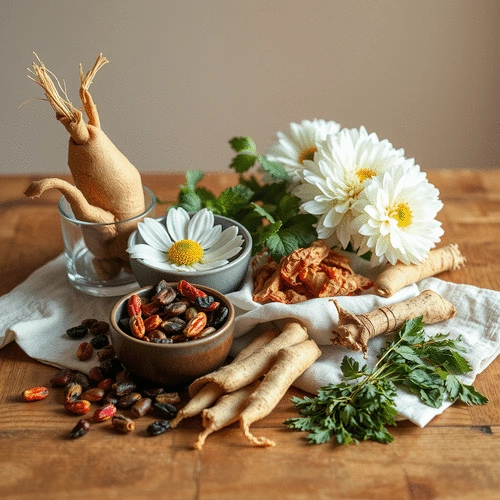
Within the vast world of TCM, certain herbs stand out for their remarkable benefits. From enhancing energy levels to supporting immunity, these herbs have been cherished for generations. Let’s explore some of the most notable TCM herbs that can positively impact your health!
- Ginseng: Boosts energy and reduces stress
- Goji Berries: Packed with antioxidants for overall wellness
- Licorice Root: Harmonizes herbal formulas
- Dang Gui: Supports women's health
- Huang Qi: Strengthens the immune system
- Chinese Red Dates: Nourishes the blood
- Chrysanthemum: Promotes eye health and detoxification
- Ginger and Turmeric: Anti-inflammatory properties
- Reishi Mushroom: Enhances longevity and wellness
As we delve into these herbs, I encourage you to consider how they might fit into your wellness routine. Each herb offers unique benefits, and incorporating them into your life can help nurture balance and vitality, aligning perfectly with the mission of the Inner Balance Meridian Hub to promote wellness through TCM. You can also explore understanding acupuncture benefits for another perspective on holistic health.
Quick Summary
Here's a brief recap of the key points discussed so far:
- Traditional Chinese Medicine (TCM) emphasizes a holistic approach, focusing on the balance of Qi, Yin and Yang, and the Five Elements.
- Herbal remedies in TCM are personalized, crafted to work synergistically to enhance health and well-being.
- Understanding the characteristics of herbs, including their temperature and taste, is crucial for effective treatment and achieving balance.
Frequently Asked Questions About Traditional Chinese Medicine and Herbal Remedies
Classification of TCM Herbs: Temperature, Taste, and Therapeutic Properties
Understanding how to classify herbs in Traditional Chinese Medicine (TCM) is essential for their effective use. The characteristics of temperature, taste, and therapeutic properties guide practitioners in selecting the right herbs for individual needs. Each classification sheds light on how these herbs can influence the body, providing a roadmap for achieving balance and harmony.
At the Inner Balance Meridian Hub, we emphasize the importance of these classifications to help you make informed choices. By knowing the temperature and taste of herbs, you can better understand their effects and how they might complement your wellness journey. Let’s dive deeper into these classifications!
Temperature Properties of Chinese Herbal Remedies
In TCM, herbs are categorized based on their temperature properties: hot, warm, cool, and cold. Each temperature offers different benefits and is used to treat various conditions. Here’s a quick breakdown:
- Hot Herbs: Used to warm the body and dispel cold. Great for conditions like colds or menstrual pain.
- Warm Herbs: Help to support digestion and boost energy. Ideal for those feeling sluggish.
- Cool Herbs: Used to clear heat and reduce inflammation. Helpful for fevers or skin irritations.
- Cold Herbs: Excellent for soothing conditions caused by excessive heat in the body.
Understanding these properties allows us to tailor herbal remedies to your specific health needs, aligning with the philosophy of TCM. Have you considered how the temperature of herbs could impact your body’s balance?
Taste and their Implications in Treatment
The taste of an herb plays a significant role in TCM, as each flavor corresponds to specific therapeutic effects. Here’s a closer look at the five fundamental tastes:
- Sweet: Nourishes and tonifies the body, great for promoting digestion.
- Bitter: Drains excess heat and promotes detoxification, especially useful for digestive issues.
- Pungent: Opens the pores and promotes circulation, aiding in respiratory health.
- Salty: Softens hardness and promotes kidney health, often used for water retention.
- Sour: Astringes and strengthens bodily fluids, often used for digestive complaints.
At the Inner Balance Meridian Hub, we integrate these tastes into our herbal recommendations, making it easier for you to connect with the healing properties of these natural remedies. Have you noticed how the flavors of your food can impact your mood and health?
Formulation and Composition of Chinese Herbal Remedies
When it comes to TCM herbal formulas, understanding their composition is crucial. A typical formula consists of various components, each serving a unique role. These components include:
- Chief Herbs: The primary herbs that address the main issue.
- Deputy Herbs: Support the chief herbs by addressing secondary issues.
- Assistant Herbs: Help to enhance the effects of the chief herbs or reduce potential side effects.
- Envoy Herbs: Direct the actions of the formula to specific channels in the body.
By combining these herbs thoughtfully, TCM practitioners create balanced formulas that cater to individual health conditions. This approach is something I’ve found to be incredibly powerful in my practice!
Common Herbal Extractions Used in TCM
The extraction methods for TCM herbs can significantly impact their potency and effectiveness. Common extractions include decoctions, tinctures, and powders. Each method offers unique benefits:
- Decoctions: Boiling herbs in water to extract their active ingredients.
- Tinctures: Soaking herbs in alcohol or vinegar for a concentrated extract.
- Powders: Ground herbs used in capsules or mixed with liquids.
Understanding these extraction methods can empower you to choose the best way to harness the benefits of TCM herbs in your daily life. Which extraction method resonates with you the most?
Practical Preparation Methods for Herbal Remedies
Preparation methods for herbal remedies can vary widely, reflecting the diversity of TCM practices. Common techniques include:
- Decoction: Boiling herbs to extract their medicinal properties.
- Infusion: Steeping herbs in hot water, similar to making tea.
- Powdering: Grinding herbs into fine powder for easy consumption.
Each method has its own set of advantages, and the choice often depends on the specific herbs being used and the desired effects. Have you explored the different preparation methods for the herbs you use?
Recap of Key Points
Here is a quick recap of the important points discussed in the article:
- Holistic Approach: TCM emphasizes the balance of body, mind, and environment using herbal remedies.
- Key Concepts: Understanding Qi, Yin and Yang, and the Five Elements is essential for recognizing health imbalances.
- Meridians: These pathways are crucial for Qi flow and play a significant role in diagnosing and treating health issues.
- Personalized Formulas: TCM herbal remedies are tailored to individual needs, considering unique constitutions and health requirements.
- Synergistic Effects: Combining herbs can enhance their benefits, leading to more effective health outcomes.
- Classification of Herbs: Herbs are categorized by temperature, taste, and therapeutic properties to guide effective use.
- Extraction Methods: Different methods like decoctions, tinctures, and powders affect the potency and effectiveness of herbal remedies.