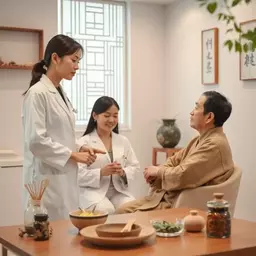
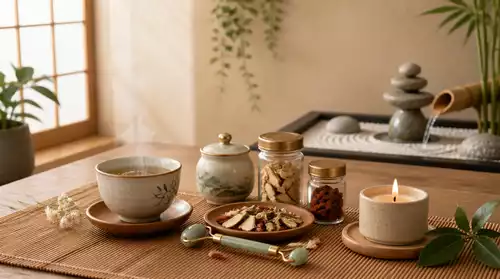
In a world increasingly focused on holistic health, understanding Traditional Chinese Medicine (TCM) can unlock profound pathways to well-being. As you explore the principles of TCM, consider how you might weave these ancient practices into your modern life for greater balance and harmony.
What You Will Learn
- The concept of Qi and its significance in maintaining health through the flow of energy in our bodies.
- An understanding of the Five Elements—Wood, Fire, Earth, Metal, and Water—and their connections to organs and emotions.
- The critical balance between Yin and Yang and how it influences daily activities and emotional states.
- The importance of personalized self-care routines that align with your unique body constitution and energy levels.
- How to recognize different body types in TCM and tailor practices like exercise and nutrition accordingly.
- The role of the meridian system in self-care and how targeted practices can promote health.
- Goal-based recommendations for stress relief, improving sleep, and supporting digestion using TCM principles.
- Safety considerations when practicing techniques like gua sha and acupuncture, ensuring effective and safe implementation.
- A structured, step-by-step approach to creating a personalized TCM-inspired self-care plan.
- The invitation to maintain mindfulness and consistency in your practices for holistic wellness.
Understanding TCM Principles and Their Benefits
Explore the core principles of Traditional Chinese Medicine and how they can enhance your self-care routine. For those new to these concepts, delving into the basics of Traditional Chinese Medicine can offer a comprehensive introduction to its foundational ideas.
TCM Core Concepts
- Qi: Vital energy flowing through meridians.
- Five Elements: Wood, Fire, Earth, Metal, Water.
- Yin and Yang: Balance of calmness and activity.
Benefits of Personalization in TCM
- Aligns with your unique body constitution.
- Addresses specific health concerns and goals.
- Enhances commitment to wellness practices.
Common Self-Care Recommendations
- Stress Relief: Daily meditation and yoga.
- Improving Sleep: Calming bedtime routines.
- Supporting Digestion: Warming foods and digestive herbs.
Step-by-Step Routine Framework
- Start with small changes: Add one practice weekly.
- Monitor feelings and energy levels.
- Incorporate a variety of practices.
- Adjust based on seasonal changes.
Understanding the Foundations of TCM-inspired Self-Care
As we embark on our journey towards enhanced well-being, it's essential to understand the core principles of Traditional Chinese Medicine (TCM). TCM is not just a medical system; it's a holistic approach to health that emphasizes balance within ourselves and with the world around us. At the Inner Balance Meridian Hub, we believe that integrating TCM principles into our daily lives can profoundly affect our physical and emotional wellness. So, let’s dive into the foundations of TCM and how they relate to self-care!
Introducing Traditional Chinese Medicine and Its Principles
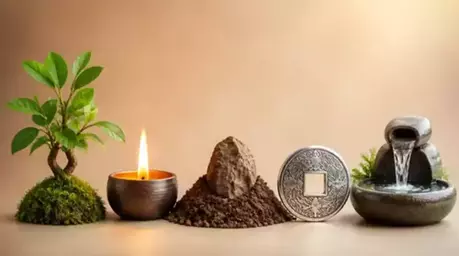
Traditional Chinese Medicine is deeply rooted in the concept of Qi (pronounced "chee"), the vital energy that flows through our bodies. It is believed that this energy travels along pathways known as meridians, which connect our organs and bodily functions. Understanding Qi is crucial because it illustrates how our health is influenced by the balance of this energy. Moreover, TCM introduces the Five Elements—Wood, Fire, Earth, Metal, and Water—which symbolize different aspects of nature and human life.
Overview of TCM: Qi, Meridians, and the Five Elements
In TCM, each of the Five Elements corresponds to specific organs and emotions in our body. Here’s a quick overview:
- Wood: Associated with the liver and anger.
- Fire: Linked to the heart and joy.
- Earth: Related to the spleen and worry.
- Metal: Connected to the lungs and grief.
- Water: Corresponding with the kidneys and fear.
Recognizing these connections helps us appreciate the intricate balance of our emotions and physical health. When we nurture our Qi and maintain the harmony of the Five Elements, we can enhance our overall well-being. For further insights into balancing energy, explore how to achieve meridian balance through daily habits.
The Balance of Yin and Yang in Daily Life
Another key concept in TCM is the balance between Yin and Yang. Yin represents qualities like calmness, receptivity, and nourishment, while Yang symbolizes activity, energy, and warmth. In our daily lives, achieving this balance is essential for harmony. For example, too much stress (Yang) can lead to burnout, while excessive quiet time (Yin) may result in stagnation.
To integrate this principle, consider your daily activities. Do you spend enough time engaging in peaceful practices like reading or meditation (Yin)? Or are you constantly on the go (Yang)? Striving for a balance that resonates with your own life can lead to a more fulfilling and harmonious existence.
The Importance of Personalized Self-Care Routines
Creating a self-care routine inspired by TCM principles is not a one-size-fits-all approach. Each person has unique needs based on their body constitution, energy levels, and lifestyle. Personalization allows us to tailor our practices to meet our specific health goals. This is why at Inner Balance Meridian Hub, we emphasize the importance of understanding your body’s signals and needs.
Why Personalization Matters in TCM Practices
Personalization matters because it recognizes that our bodies are different. Factors like age, climate, and emotional state all play a role in how we should approach our self-care. Here’s why personalized self-care is essential:
- It aligns with your unique body constitution.
- It addresses specific health concerns and goals.
- It enhances motivation and commitment to wellness practices.
By embracing a personalized approach, we can create a self-care routine that resonates deeply with us, ultimately fostering greater balance and wellness in our lives.
Identifying Your Body Constitution and Energy Levels
Understanding your body constitution involves recognizing your inherent traits and tendencies. In TCM, there are several body types, each with its strengths and weaknesses. For instance, someone with a Yang constitution may tend to be more energetic and active, while a Yin constitution may be more introspective and calm. Knowing your body type helps in selecting the right foods, exercises, and practices.
- Yang Types: These individuals may benefit from invigorating activities like jogging or cycling.
- Yin Types: Calming practices like yoga or tai chi may be more beneficial.
Additionally, paying attention to your energy levels throughout the day can guide you in scheduling self-care practices that align with your natural rhythms.
Understanding the Meridian System and Its Role in Self-Care
The meridian system is fundamental in TCM, serving as a map of how energy flows through our bodies. Each meridian connects to specific organs and emotions, allowing us to use targeted self-care practices to promote balance. By understanding which meridians correspond to our health concerns, we can engage in practices like acupressure or qigong to nourish those areas.
For instance, if you're feeling anxious, focusing on the heart meridian and practicing relaxation techniques can help restore balance. This harmony between energy and health is the essence of TCM-inspired self-care that we advocate at Inner Balance Meridian Hub. For more detailed information, consider reading about meridian balance and mental clarity.
Quick Summary
Here’s a brief recap of the key points discussed so far:
- Understanding Qi: The vital energy that flows through our bodies and its importance in TCM.
- Balance of Yin and Yang: Achieving harmony in daily activities for overall well-being.
- Personalized Self-Care: Tailoring practices to fit your unique body constitution and energy levels.
Addressing Common Questions and Concerns About TCM Self-Care
In the journey of embracing Traditional Chinese Medicine (TCM) for self-care, it’s natural to have questions. Many people wonder how to align these ancient practices with their modern lives. I’ve found that addressing common concerns can pave the way for a more fulfilling experience. Let’s explore how to tailor TCM practices to meet your unique needs while also considering safety and effectiveness.
How to Tailor Practices for Stress Relief, Sleep, and Digestion
When it comes to enhancing your wellness, personalization is key. Each individual's body has its unique constitution, and TCM teaches us to listen to our bodies. Whether you're looking to relieve stress, improve sleep, or support digestion, the following goal-based recommendations can help shape your customized routine:
- For stress relief: Incorporate daily meditation and gentle movement like yoga or Tai Chi.
- To support sleep: Create a calming bedtime routine with herbal teas such as chamomile or valerian root.
- For digestion: Try warming foods like congee, and include digestive herbs like ginger and peppermint in your meals.
Finding what works for you might take some time, but it’s worth the effort. Seeking guidance from a health coach specializing in TCM can also provide personalized insights tailored to your lifestyle.
Goal-Based Recommendations for Customized Routines
To create a structured and effective routine, consider your specific goals. Here are some personalized strategies:
- Set clear intentions for your self-care practices.
- Experiment with different TCM techniques like acupressure for headaches or herbal remedies for stress.
- Track your progress and adjust your routines as needed to find what resonates with you.
At the Inner Balance Meridian Hub, I emphasize the importance of adapting TCM practices to fit your needs. Remember, it’s about discovering what makes you feel your best!
The Safety and Effectiveness of TCM Practices
As you embark on your TCM journey, understanding the safety and effectiveness of various practices is essential. TCM has been used for centuries, but like any health regimen, it’s important to approach it with informed caution.
Important Safety Considerations for Gua Sha and Acupuncture
Both gua sha and acupuncture have proven benefits, yet safety is paramount. Here are some considerations to keep in mind:
- Ensure you work with a certified practitioner for acupuncture.
- For gua sha, use a smooth tool and light pressure to avoid bruising.
- Listen to your body and discontinue use if you experience discomfort.
With the right approach, you’ll find these techniques can be incredibly effective for enhancing your wellness. To understand more about this specific practice, consider exploring the benefits of acupuncture.
Understanding Moxibustion and Its Applications
Moxibustion is another fascinating aspect of TCM that involves burning the herb mugwort near specific acupuncture points. This practice is known for its warming effects and can be beneficial for:
- Increasing circulation
- Relieving pain and discomfort
- Supporting immune function
As always, consult a trained professional before trying moxibustion, especially if you have underlying health conditions. Ensuring safe practices will enhance your experience with TCM self-care.
Frequently Asked Questions About TCM Self-Care
Creating Your TCM-inspired Self-Care Plan
Now that we've addressed common questions, it’s time to focus on how to create your personalized TCM-inspired self-care plan! This journey is about more than just following a routine; it’s about cultivating a deeper connection with yourself. Let’s look at a simple step-by-step framework to get you started.
Step-by-Step Beginner Routine Framework
Every journey begins with a single step. Here’s a structured approach to help you integrate TCM practices into your daily life:
- Start with small changes: Add one TCM practice to your routine each week.
- Monitor your feelings and energy levels to see what works best.
- Incorporate a variety of practices like meditation, herbal remedies, and gentle movement.
- Adjust your routine based on seasonal changes and personal insights.
By taking it one step at a time, you’ll find your rhythm and develop a sustainable self-care practice. For additional support in integrating these practices, consider exploring resources on integrating TCM into daily life.
Final Thoughts on Holistic Wellness and TCM Adaptability
As we wrap up, I encourage you to embrace the wisdom of TCM in your daily life. The beauty of this approach lies in its adaptability. Every individual can find their unique path to wellness by staying consistent and mindful in your practices.
Encouraging Consistency and Mindfulness in Daily Practices
Remember, holistic wellness is a journey. It’s about making conscious choices each day that align with your well-being. Taking a moment to reflect on your progress can bring clarity and motivation.
Invitation to Share Your Journey and Experiences
Lastly, I invite you to share your journey with the community at the Inner Balance Meridian Hub. Your experiences may inspire others, creating a supportive circle of learning and growth. What small steps are you taking today toward your self-care goals? Let’s cultivate balance together!
Recap of Key Points
Here is a quick recap of the important points discussed in the article:
- Understand Qi: Recognize the vital energy that flows through your body and its influence on health.
- Balance of the Five Elements: Familiarize yourself with Wood, Fire, Earth, Metal, and Water, and how they relate to your emotions and organs.
- Yin and Yang Harmony: Strive for a balance between calm and activity in your daily life to enhance well-being.
- Personalized Self-Care: Tailor your self-care practices to your unique body constitution and health goals.
- Meridian Awareness: Learn about the meridian system and incorporate practices like acupressure for targeted health benefits.
- Safety in Practices: Always seek certified professionals for techniques like acupuncture and ensure safe practices for methods like gua sha.
- Create a Structured Self-Care Plan: Implement a step-by-step approach for integrating TCM practices into your routine.
- Consistency and Mindfulness: Stay committed to your wellness journey by making conscious daily choices.